5 Stylish Apartment Decor Tips for Modern Living
1. Embrace Minimalism with Purpose & Not Emptiness
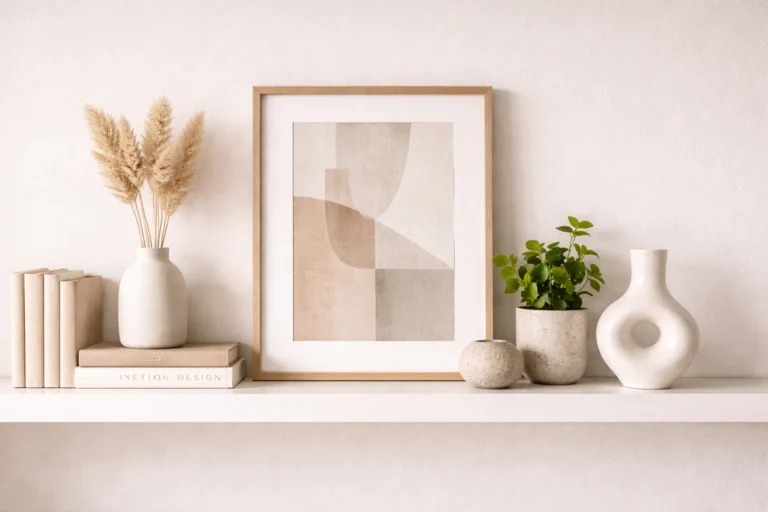
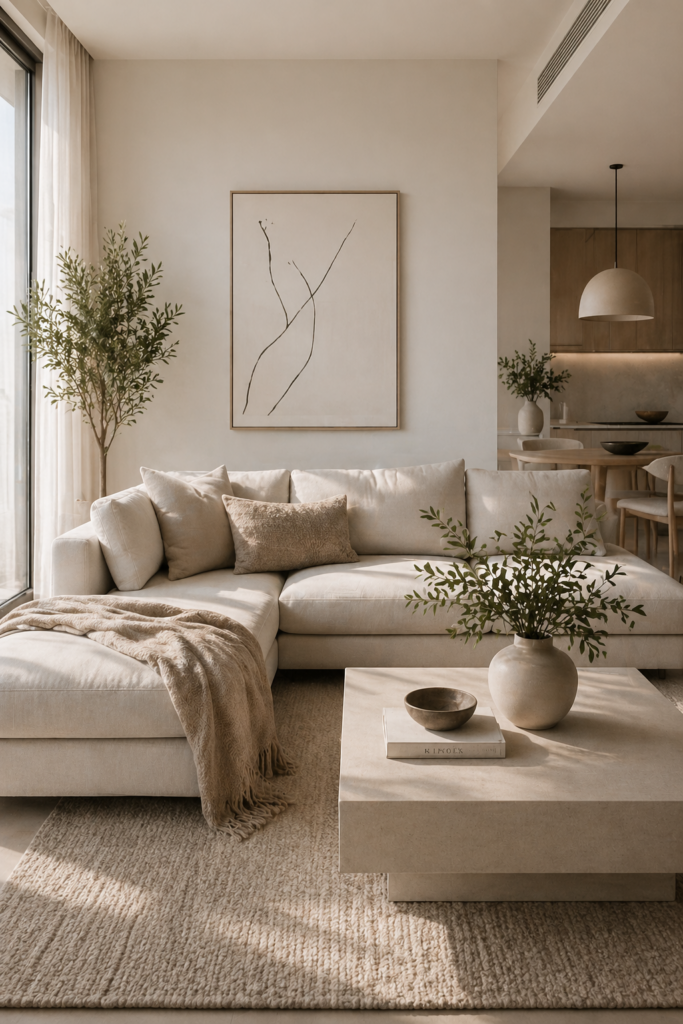
Minimalism is often misunderstood as a design approach that strips away personality and warmth, leaving behind a cold and lifeless space. In reality, modern minimalism—especially in apartment living—is about intentional design, thoughtful choices, and creating an environment where every item serves a purpose. When done correctly, minimalism doesn’t make your apartment feel empty; it makes it feel calm, refined, and deeply personal.
To begin embracing minimalism, the first and most important step is decluttering. Apartments, particularly smaller ones, tend to accumulate unnecessary items quickly—old decor pieces, unused furniture, or items kept out of habit rather than necessity. Removing these excess elements instantly opens up your space and allows you to see its true potential. But decluttering is not just about removing things; it’s about redefining your relationship with your space. Ask yourself: does this item add value to my daily life, or is it simply taking up space?
Once you’ve cleared the clutter, the next step is curating your environment with intention. Instead of filling your apartment with random decorative pieces, focus on selecting items that have both functional and aesthetic value. For example, a sleek coffee table with hidden storage can serve as both a design feature and a practical solution. A neutral-toned sofa with clean lines can anchor your living space while maintaining a modern aesthetic.
Color plays a crucial role in minimalist design. Neutral palettes—such as whites, soft greys, beiges, and muted earth tones—create a sense of openness and cohesion. These colors reflect light, making your apartment feel larger and more breathable. However, minimalism doesn’t mean eliminating color entirely. Subtle variations in tone and texture can add depth without overwhelming the space.
Textures are where minimalism truly comes alive. A woven rug, linen curtains, a soft throw blanket, or a matte ceramic vase can introduce warmth and character without cluttering your apartment. These elements create visual interest while maintaining a clean and modern look. The key is balance—each piece should feel intentional rather than excessive.
Ultimately, minimalism in modern apartment decor is about creating a space that feels effortless yet refined. It’s about designing a home where everything has a purpose, and nothing feels out of place. When you embrace this mindset, your apartment transforms into a peaceful retreat that supports both your lifestyle and your aesthetic preferences.
2. Maximize Small Spaces with Smart Layouts and Visual Flow
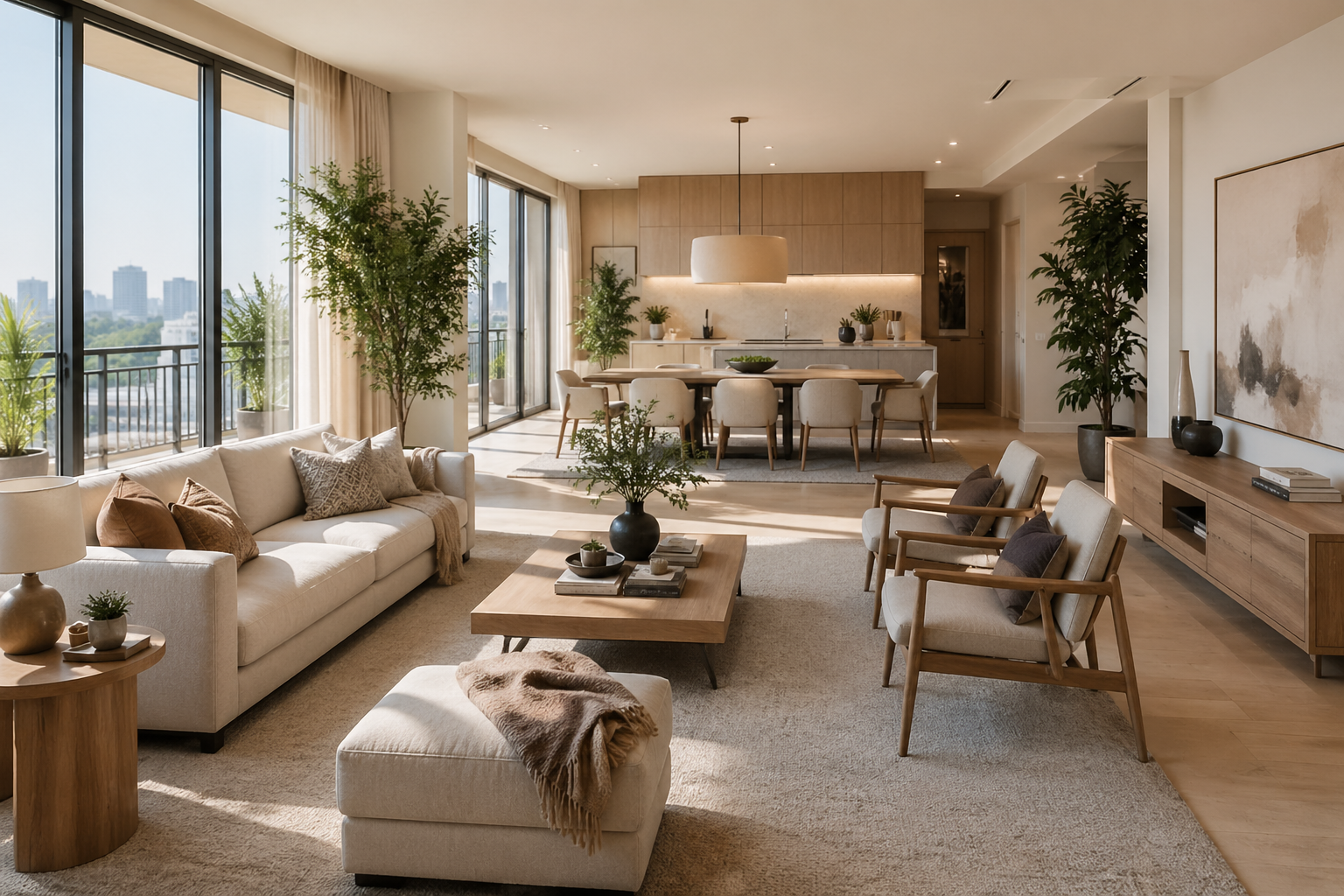
Living in an apartment often means working with limited square footage, but that doesn’t have to limit your creativity or comfort. In fact, small spaces can be some of the most stylish and functional when designed thoughtfully. The secret lies in how you use your layout—not just how much space you have, but how you organize and experience it.
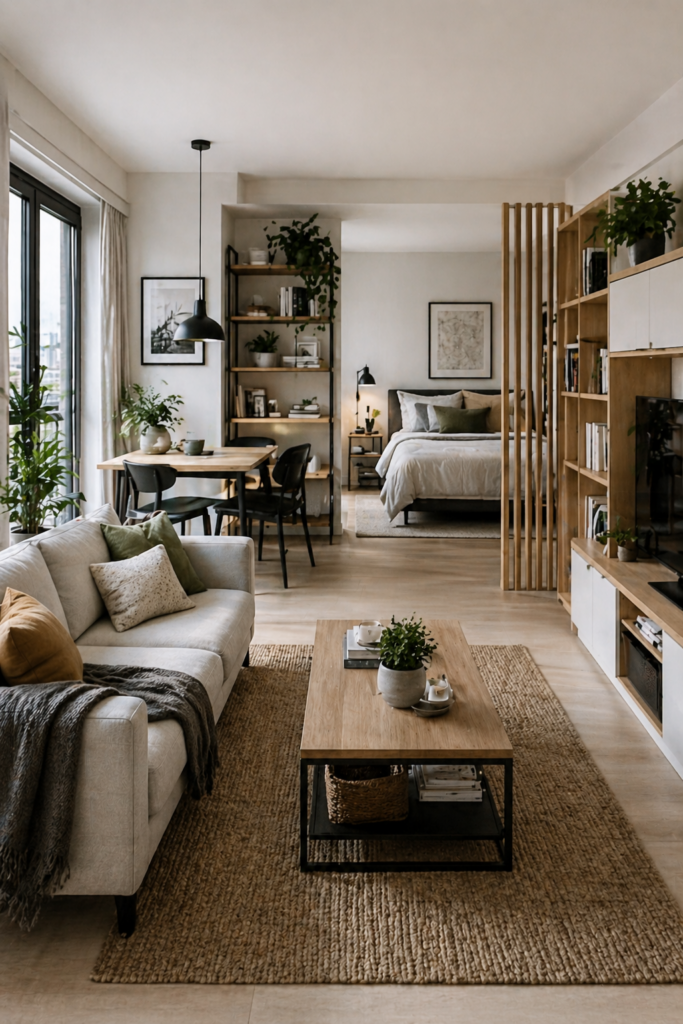
One of the most effective strategies for maximizing space is creating defined zones within your apartment. Even in a studio, it’s possible to establish separate areas for sleeping, working, dining, and relaxing. This not only improves functionality but also makes your apartment feel more structured and intentional. For instance, placing a rug under your living area can visually separate it from your sleeping space. A bookshelf or open shelving unit can act as a subtle divider without blocking light or making the space feel closed off.
Furniture placement plays a critical role in how spacious your apartment feels. Contrary to common belief, pushing all furniture against the walls doesn’t always make a room look bigger. In many cases, slightly floating your furniture—such as positioning your sofa a few inches away from the wall—can create a more dynamic and open layout. This approach adds depth and allows for better movement within the space.
Another essential aspect of smart layouts is choosing the right furniture size. Oversized furniture can overwhelm a small apartment, while pieces that are too small can make the space feel disjointed. Aim for proportion—furniture that fits your space comfortably without dominating it. Multi-functional furniture is especially valuable in apartment living. A bed with storage drawers, a foldable dining table, or a wall-mounted desk can significantly enhance usability without sacrificing style.
Vertical space is often underutilized but incredibly powerful. By drawing the eye upward, you can make your apartment feel taller and more spacious. Install shelves, wall-mounted cabinets, or hanging storage solutions to free up floor space while adding visual interest. Tall curtains hung closer to the ceiling can also create the illusion of higher ceilings.
Mirrors are another transformative element in small apartments. A strategically placed mirror can reflect light and make your space appear larger and brighter. Whether it’s a full-length mirror leaning against the wall or a decorative mirror above a console table, this simple addition can dramatically enhance your apartment’s openness.
Flow is equally important. Your apartment should feel easy to navigate, with clear pathways and no unnecessary obstacles. Avoid overcrowding your space with furniture or decor. Instead, prioritize comfort and movement, ensuring that each area feels accessible and functional.
By thoughtfully designing your layout, you can turn even the smallest apartment into a space that feels expansive, organized, and effortlessly stylish.
3. Introduce Statement Pieces That Define Your Style
While modern apartment decor often leans toward simplicity, that doesn’t mean your space should lack personality. Statement pieces are what give your apartment character—they tell your story, reflect your taste, and create focal points that make your home memorable.
A statement piece doesn’t have to be extravagant or expensive; it simply needs to stand out and draw attention. It could be a bold piece of artwork, a uniquely designed chair, a striking light fixture, or even a textured rug. The key is to choose items that resonate with your personal style while complementing the overall aesthetic of your apartment.
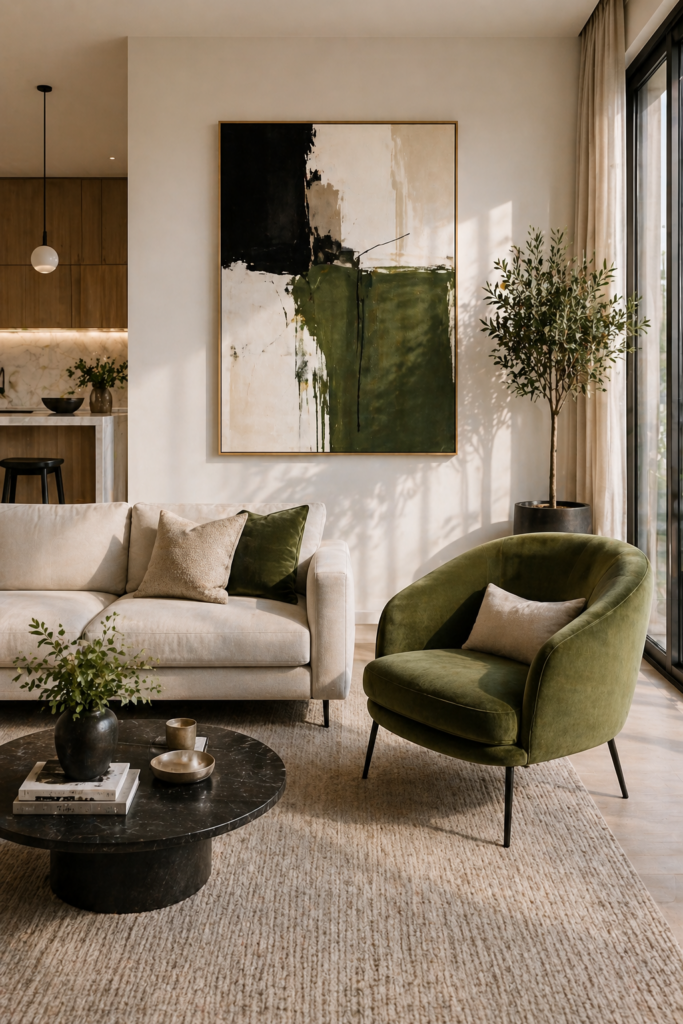
When incorporating statement pieces, restraint is essential. Too many bold elements can make your space feel chaotic rather than stylish. Instead, focus on one or two standout items per room. For example, in a minimalist living room with neutral tones, a vibrant accent chair or a large abstract painting can instantly elevate the space without overwhelming it.
Contrast is a powerful tool when working with statement pieces. If your apartment features a predominantly soft and neutral palette, introducing a darker or more saturated element can create visual interest. A deep green velvet chair, a black metal lamp, or a gold-accented decor piece can add sophistication and depth.
Lighting fixtures are often overlooked as statement elements, but they can have a significant impact. A sculptural pendant light or a modern chandelier can serve as both a functional and decorative centerpiece. Similarly, a uniquely shaped floor lamp can add personality while enhancing the ambiance of your space.
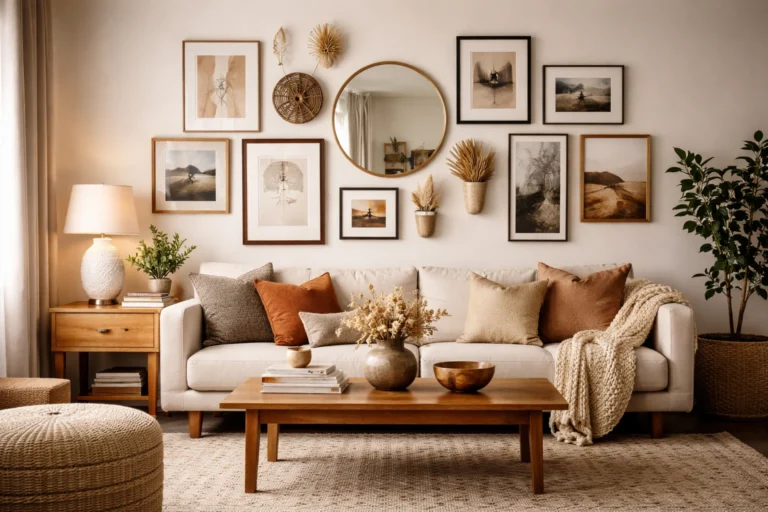
Artwork is another effective way to make a statement. Large-scale pieces can anchor a room, while smaller curated collections can create a gallery wall that reflects your interests and experiences. The important thing is to choose art that feels meaningful rather than purely decorative.
Textures and materials can also serve as subtle statement elements. A marble coffee table, a leather armchair, or a handcrafted wooden piece can add richness and uniqueness to your apartment. These elements don’t just look good—they create a sensory experience that makes your space feel more dynamic.
Ultimately, statement pieces are about self-expression. They allow you to move beyond generic design and create a space that feels uniquely yours. By carefully selecting and placing these elements, you can transform your apartment into a reflection of your personality while maintaining a modern and cohesive aesthetic.
4. Incorporate Natural Elements to Soften Modern Design
Modern design is often characterized by clean lines, sleek surfaces, and structured forms. While this creates a polished and sophisticated look, it can sometimes feel a bit rigid or impersonal. This is where natural elements come in—they add warmth, softness, and a sense of balance that makes your apartment feel more inviting.
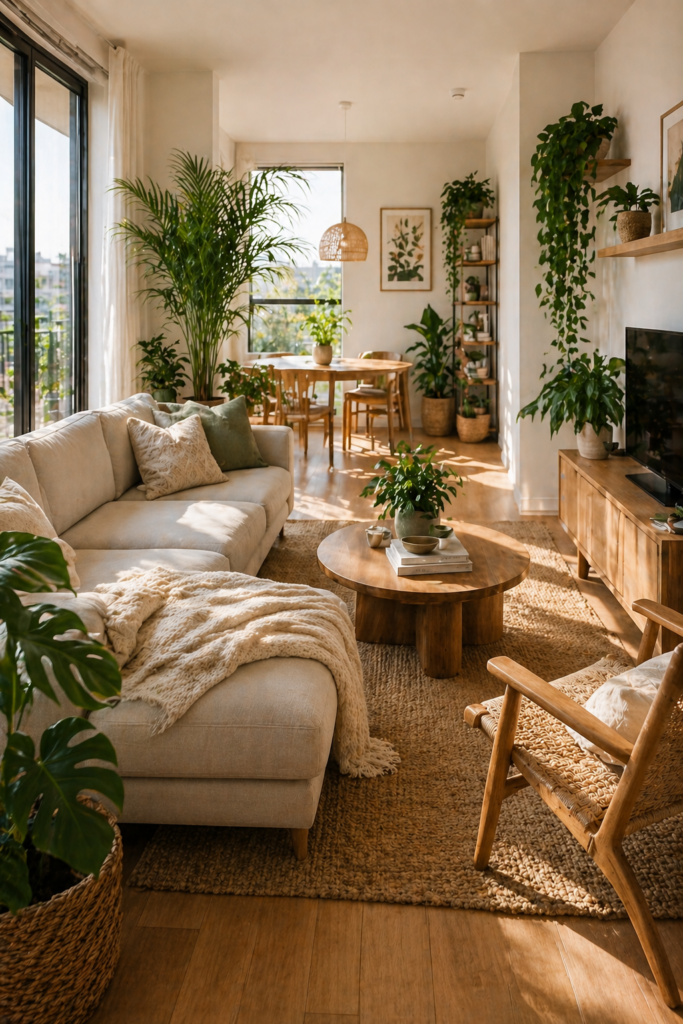
One of the simplest ways to bring nature into your apartment is through plants. Indoor plants not only enhance the visual appeal of your space but also contribute to a healthier and more relaxing environment. Even a few well-placed plants can make a significant difference. A tall plant in a corner can fill empty space, while smaller plants on shelves or tables can add subtle touches of greenery.
If maintaining live plants feels challenging, high-quality artificial plants are a great alternative. Modern faux plants are incredibly realistic and can provide the same aesthetic benefits without the maintenance.
Beyond greenery, natural materials play a crucial role in creating a balanced space. Wood, stone, and woven textures introduce organic elements that contrast beautifully with modern finishes. A wooden coffee table, a rattan chair, or a stone vase can add depth and warmth to your apartment.
Textiles are another important aspect. Natural fabrics like cotton, linen, and wool create a cozy and comfortable atmosphere. Soft curtains, textured cushions, and layered throws can make your apartment feel more lived-in and welcoming without compromising its modern appeal.
Lighting also contributes to the natural feel of your space. Maximizing natural light should be a priority. Keep window treatments light and breathable to allow sunlight to flow freely. Natural light not only enhances the aesthetic of your apartment but also improves your overall mood and well-being.
Color choices can further reinforce the connection to nature. Earthy tones—such as warm browns, soft greens, and muted terracottas—can complement your neutral palette while adding subtle richness. These colors create a harmonious and grounded environment.
Incorporating natural elements is not about transforming your apartment into a rustic space; it’s about achieving balance. By blending modern design with organic textures and materials, you create a space that feels both stylish and comfortable—a true reflection of modern living.
5. Layer Lighting to Create Depth Mood and Functionality
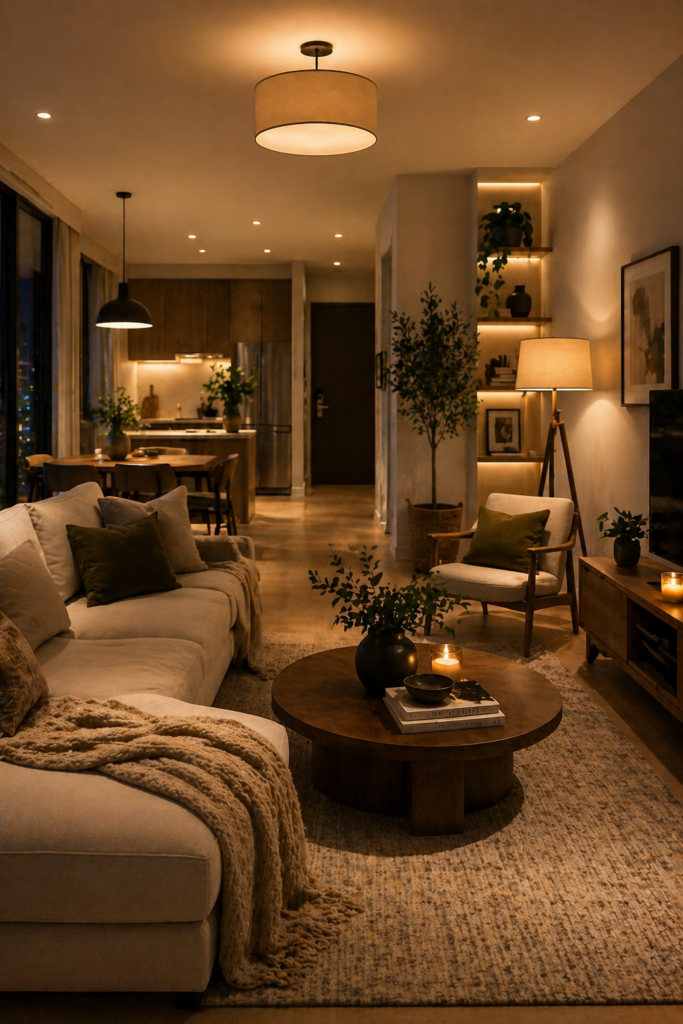
Lighting is one of the most transformative elements in apartment decor, yet it is often underestimated. The way you light your space can dramatically affect its mood, functionality, and overall aesthetic. In modern living, layered lighting is essential—it allows you to adapt your environment to different needs and create a more dynamic and inviting atmosphere.
Layered lighting involves combining multiple types of light sources to achieve balance and flexibility. The three main types are ambient lighting, task lighting, and accent lighting. Each serves a different purpose, and together they create a well-rounded lighting scheme.
Ambient lighting is your primary source of illumination. This typically includes ceiling lights or overhead fixtures that provide general brightness. While necessary, relying solely on ambient lighting can make your apartment feel flat and uninspiring. That’s why additional layers are so important.
Task lighting is designed for specific activities such as reading, working, or cooking. Desk lamps, under-cabinet lights, and bedside lamps fall into this category. These lights not only improve functionality but also add depth by introducing different light levels throughout your space.
Accent lighting is where creativity comes into play. This includes decorative elements like floor lamps, wall sconces, or LED strips. Accent lighting highlights specific areas or features, such as artwork, shelves, or architectural details. It adds dimension and creates a more visually interesting environment.
The color temperature of your lighting also matters. Warm light creates a cozy and relaxing atmosphere, making it ideal for living rooms and bedrooms. Cooler light feels brighter and more energizing, which can be beneficial in workspaces or kitchens. Using a mix of both can help you tailor your apartment to different times of day and activities.
Modern technology offers even more flexibility. Smart bulbs and dimmers allow you to adjust brightness and color with ease, giving you complete control over your environment. Whether you want a bright, productive setting during the day or a soft, ambient glow in the evening, layered lighting makes it possible.
Lighting fixtures themselves can also serve as design elements. A sleek pendant light, a geometric lamp, or a sculptural fixture can enhance your decor while providing functionality. Choosing fixtures that align with your overall aesthetic ensures that your lighting contributes to the style of your apartment rather than detracting from it.
By thoughtfully layering your lighting, you create a space that feels alive and adaptable. It’s not just about seeing clearly—it’s about shaping how your apartment feels and how you experience it every day.
Final Thoughts
Modern apartment decor is not about following strict rules or achieving perfection—it’s about creating a space that feels right for you. By combining purposeful minimalism, smart layouts, expressive statement pieces, natural elements, and layered lighting, you can design an apartment that is both stylish and deeply functional.
No matter the size of your space, thoughtful design choices can transform it into a modern sanctuary—one that reflects your personality, supports your lifestyle, and feels like home every time you walk through the door.