Chic Room Design Ideas Creating a Stylish Space
Designing a chic room is more than just arranging furniture or choosing trendy décor—it is about creating a space that feels effortlessly stylish, balanced, and comfortable. A chic interior blends simplicity with sophistication, allowing each element in the room to contribute to a cohesive and polished look. Whether you are decorating a bedroom, living room, or a compact apartment, the principles of chic design remain the same: minimal clutter, intentional choices, and a refined aesthetic. Many people assume that achieving a chic room requires a large budget or professional help, but in reality, it is more about thoughtful design decisions than expensive purchases. By focusing on harmony, textures, and a well-curated color palette, you can transform any ordinary space into a visually appealing retreat. A chic room also reflects personality without overwhelming the senses, which is why it often feels calm, inviting, and timeless. In today’s fast-paced world, having such a space can significantly improve your mood and productivity. This guide will walk you through every essential step needed to create a chic room that looks stunning and feels comfortable. By the end, you’ll have a clear understanding of how to design a space that balances elegance with everyday functionality.
What Defines a Chic Room?
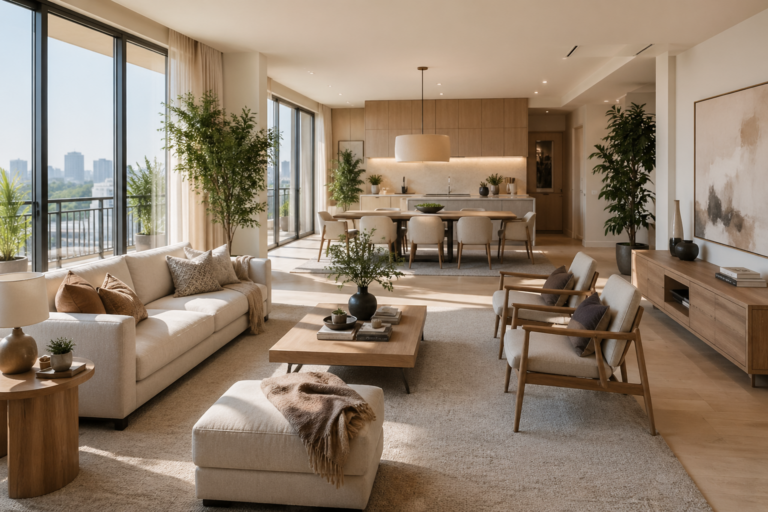
A chic room is defined by its ability to look elegant without appearing overly decorated or complicated. The essence of chic design lies in simplicity combined with intentional styling, where every piece has a purpose and contributes to the overall aesthetic. Unlike heavily decorated interiors, a chic room avoids unnecessary clutter and instead focuses on clean lines, subtle details, and a cohesive design theme. This style often incorporates neutral colors, soft textures, and modern furniture that feels both functional and visually pleasing. Another defining feature is balance—no single element should overpower the room, and everything should feel harmoniously placed. Chic interiors also tend to use a mix of materials, such as wood, fabric, glass, and metal, to create depth and interest without overwhelming the space. Lighting plays a crucial role in defining the mood, often using warm tones to enhance comfort and elegance. Personal touches like artwork or plants are included but kept minimal to maintain a refined look. Ultimately, a chic room is not about following strict rules but about creating a space that feels polished, calm, and effortlessly stylish. It is a design approach that stands the test of time while still allowing room for creativity.
Start with a Simple Color Palette
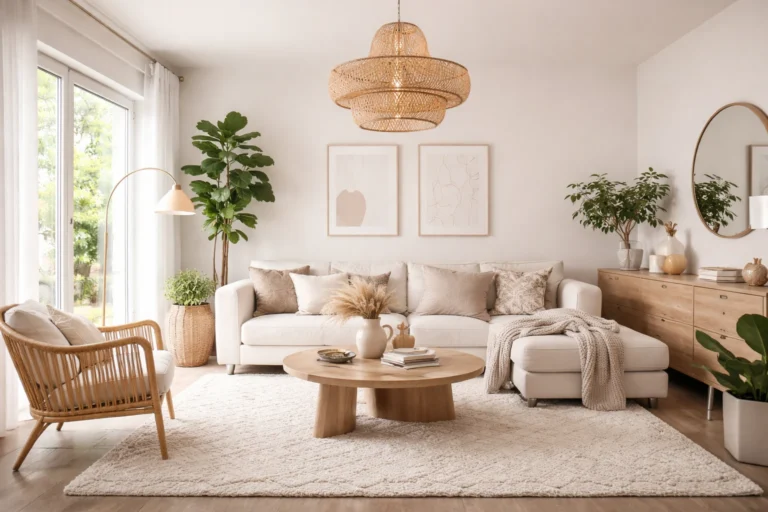
The foundation of any chic room begins with a carefully chosen color palette, and neutral tones are often the preferred choice for achieving a sophisticated look. Colors such as white, beige, cream, gray, and soft pastels create a calm and airy atmosphere that instantly makes a space feel more elegant. These shades reflect natural light beautifully, making even smaller rooms appear larger and more open. A neutral palette also provides flexibility, allowing you to experiment with textures and décor without overwhelming the space. While bold colors can be used as accents, they should be applied sparingly to maintain balance and harmony. Layering different shades within the same color family can add depth and prevent the room from looking flat or monotonous. For example, combining light beige walls with cream furniture and darker taupe accents creates a visually interesting yet cohesive design. Another advantage of neutral colors is their timeless appeal, ensuring that your room remains stylish even as trends change. Additionally, these tones create a relaxing environment that promotes comfort and well-being. By starting with a simple color palette, you set the stage for a chic room that feels both modern and inviting.

Focus on Quality Furniture
Furniture is one of the most important elements in creating a chic room, and choosing the right pieces can make a significant difference in the overall look and feel of your space. Instead of filling the room with numerous items, focus on selecting a few high-quality pieces that are both functional and visually appealing. Furniture with clean lines, neutral fabrics, and minimal detailing works best for achieving a chic aesthetic. A well-designed sofa, a sleek coffee table, or an elegant bed frame can serve as focal points that elevate the entire room. Quality furniture not only looks better but also lasts longer, making it a worthwhile investment. When selecting pieces, consider their proportions and how they fit within the space to avoid overcrowding. A chic room should feel open and breathable, so it is important to leave enough room for movement and flow. Additionally, mixing materials such as wood, metal, and fabric can add subtle contrast and interest. Comfort should also not be overlooked, as a chic room is meant to be lived in and enjoyed. By prioritizing quality over quantity, you create a space that feels luxurious without being excessive.
Use Texture to Add Depth
Texture is a key element in designing a chic room, especially when working with a neutral color palette. Without texture, a room can feel flat and uninspired, but adding layers of different materials creates depth and visual interest. Soft fabrics like velvet, linen, and cotton bring warmth and comfort, while harder materials like wood, metal, and ceramic add contrast and structure. Incorporating a variety of textures allows you to maintain a minimalist look while still making the space feel rich and inviting. For example, a smooth leather chair paired with a plush rug and knitted throw creates a balanced and dynamic composition. Textured cushions, curtains, and wall décor can also enhance the overall design without adding clutter. The key is to mix textures thoughtfully so that they complement rather than compete with each other. Natural materials are particularly effective in chic interiors, as they add an organic and timeless quality to the space. Lighting can further enhance textures by creating subtle shadows and highlights. By focusing on texture, you can transform a simple room into a sophisticated and cozy environment.

Lighting Makes a Big Difference
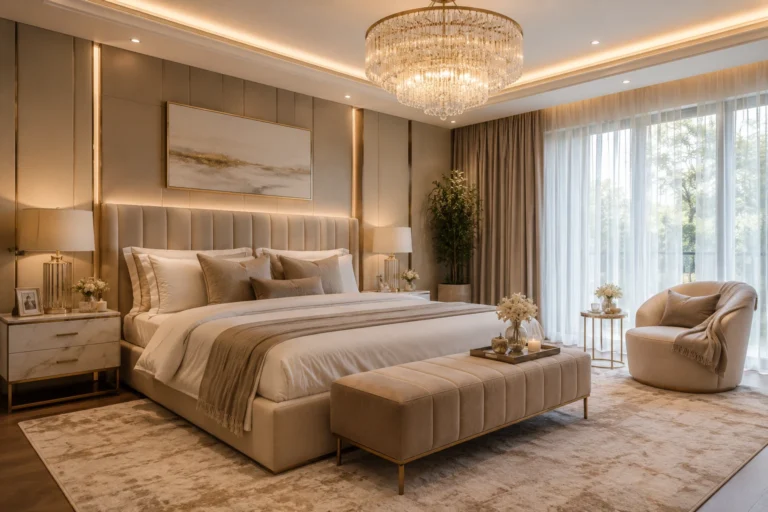
Lighting plays a crucial role in shaping the atmosphere of a chic room, influencing how colors, textures, and furniture are perceived. A well-lit space feels warm, inviting, and elegant, while poor lighting can make even the most beautifully designed room appear dull. Instead of relying on a single overhead light, a chic room uses multiple light sources to create depth and ambiance. Floor lamps, table lamps, pendant lights, and wall sconces can be layered to achieve a balanced lighting scheme. Warm lighting is particularly effective in creating a cozy and sophisticated environment, as it softens the overall look of the room. Statement lighting fixtures can also serve as decorative elements, adding a touch of personality and style. Natural light should be maximized whenever possible, as it enhances the openness and brightness of the space. Sheer curtains or light-colored blinds can help diffuse sunlight while maintaining privacy. Adjustable lighting options allow you to change the mood of the room depending on the time of day or activity. By paying attention to lighting, you can elevate your chic room from simple to stunning.
Keep Décor Minimal and Intentional
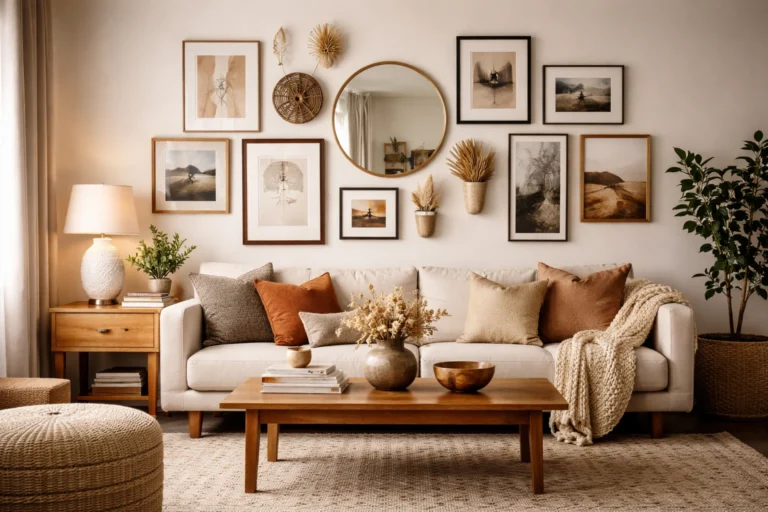
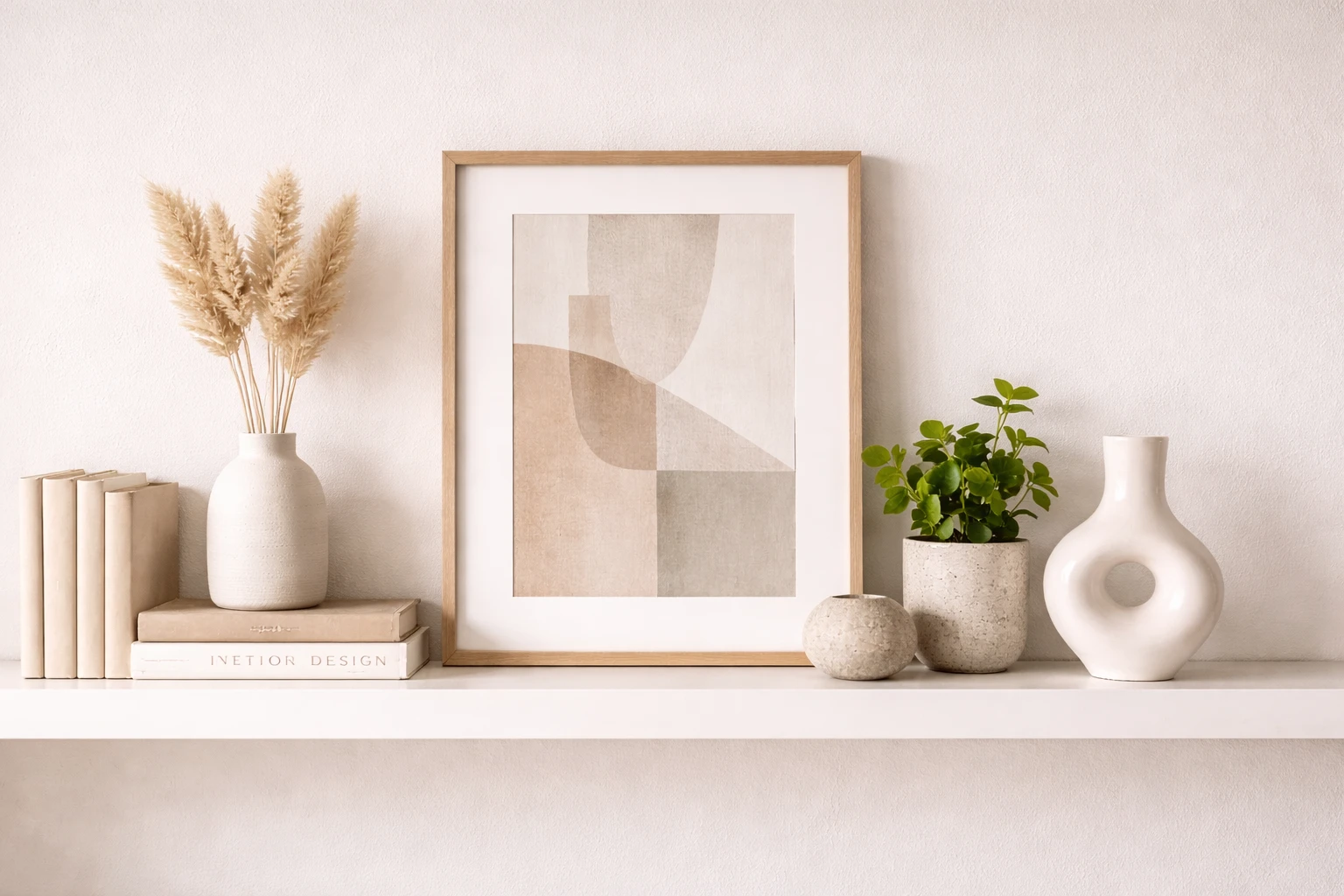
One of the defining principles of a chic room is minimalism, where every decorative element is chosen with purpose and intention. Instead of overcrowding surfaces with numerous items, focus on a few meaningful pieces that enhance the overall design. Artwork, plants, mirrors, and decorative objects can add personality without overwhelming the space. The key is to strike a balance between simplicity and expression, ensuring that each item contributes to the room’s aesthetic. Empty space is just as important as filled space, as it allows the design to breathe and feel uncluttered. When styling shelves or tables, consider grouping items in odd numbers and varying their heights to create visual interest. Neutral or muted colors should dominate, with occasional accents used sparingly. Functional décor, such as stylish storage boxes or elegant trays, can help maintain organization while adding to the design. Regular decluttering is essential to preserve the clean and polished look of a chic room. By keeping décor minimal and intentional, you create a space that feels calm, refined, and effortlessly stylish.

Final Thoughts
Creating a chic room is about more than following design trends—it is about crafting a space that feels balanced, comfortable, and visually appealing. By focusing on neutral colors, quality furniture, layered textures, effective lighting, and minimal décor, you can achieve a timeless and elegant interior. Each element should work together harmoniously, contributing to a cohesive and inviting atmosphere. A chic room does not require a large budget or extensive renovations; small, thoughtful changes can have a significant impact. The key is to approach design with intention and creativity, ensuring that every choice enhances the overall aesthetic. Over time, you can refine and adjust your space to better reflect your personal style. Ultimately, a chic room is one that makes you feel at ease while also inspiring a sense of pride in your home. With the right approach, anyone can create a space that embodies elegance and simplicity.