Top 5 Makeup Products You Need for a Flawless Look
Introduction
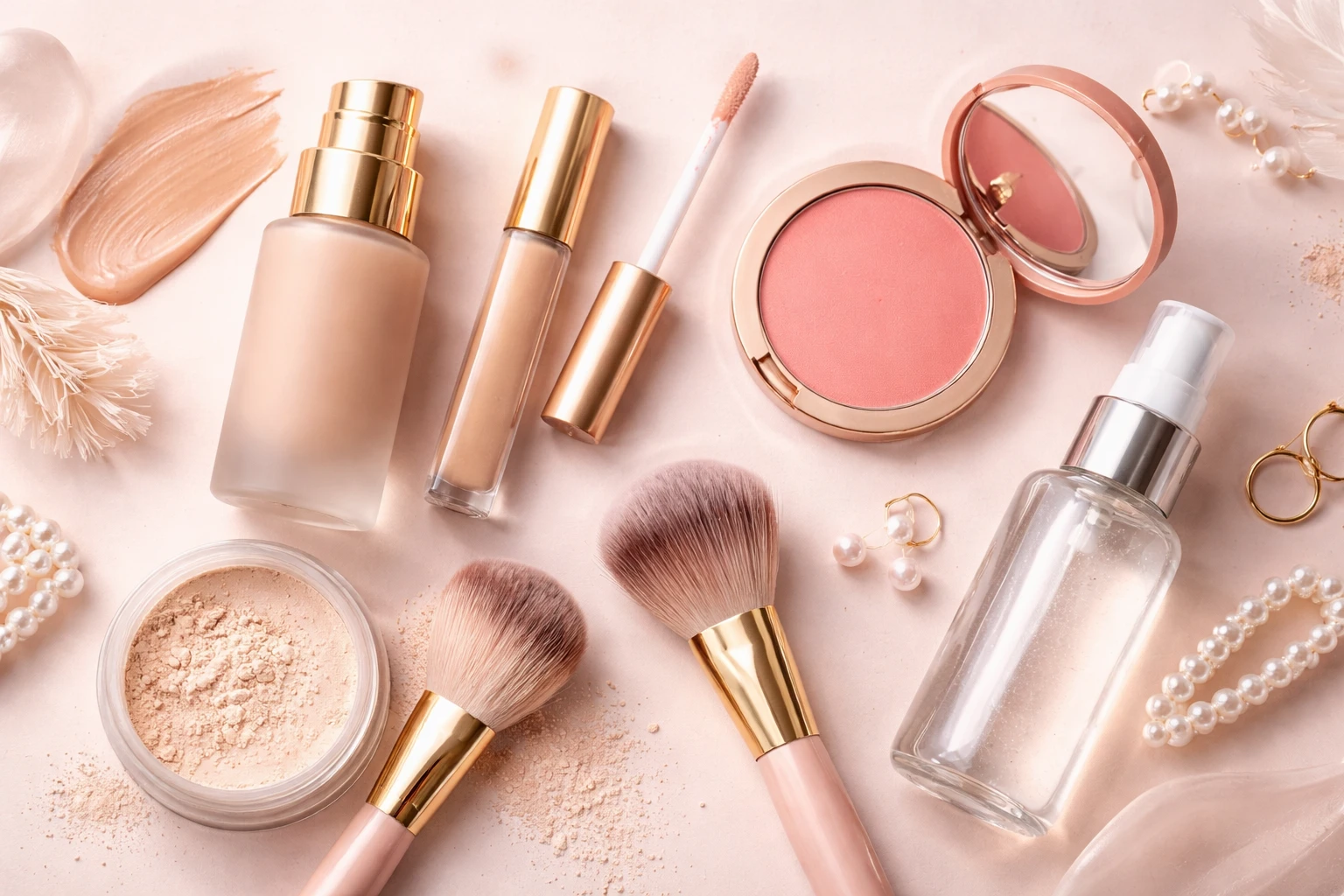
Creating a flawless makeup look is not about owning dozens of products or following every trend that appears on social media. Instead, it comes down to understanding the essentials and using them correctly to enhance your natural beauty. A well-thought-out makeup routine built around a few key products can deliver results that look polished, professional, and effortlessly beautiful. Whether you are getting ready for a casual day out, an important meeting, or a special event, mastering the basics is what truly makes the difference.
Many people believe that achieving perfect makeup requires advanced skills or expensive products, but that is not entirely true. With the right knowledge and a few reliable items, anyone can create a smooth and radiant finish. The secret lies in choosing products that suit your skin type, tone, and personal style. Once you have these essentials, the application becomes much easier and more enjoyable.
In this guide, we will walk you through five must-have makeup products that form the foundation of a flawless look. Each product plays a unique role in enhancing your features and ensuring your makeup lasts throughout the day. Along with detailed explanations, you will also find practical tips to help you use each product effectively.
By the end of this article, you will not only know what products to use but also how to use them like a pro. This will help you build confidence in your makeup routine and achieve consistent, beautiful results every time you step out.
1. Foundation – The Perfect Base
Foundation is the most important step in any makeup routine because it creates the base upon which everything else is built. A good foundation helps even out your skin tone, minimize imperfections, and provide a smooth canvas for additional products. Without a proper base, even the most expensive makeup products may not perform well or look as intended. That is why choosing the right foundation is essential for achieving a flawless look.
There are several types of foundations available, including liquid, cream, powder, and stick formulas. Each type serves a different purpose and suits different skin types. For example, liquid foundations are versatile and work well for most skin types, while powder foundations are ideal for oily skin. Understanding your skin type is the first step in selecting the perfect formula for your needs.
Another important factor to consider is the coverage level. Foundations come in light, medium, and full coverage options. Light coverage is perfect for a natural, everyday look, while full coverage is ideal for special occasions when you want a more polished appearance. Choosing the right coverage ensures that your makeup looks balanced and not overly heavy.
Shade matching is equally crucial when it comes to foundation. A mismatched shade can make your makeup look unnatural and uneven. It is always recommended to test foundation shades on your jawline and check them in natural lighting. This helps you find a shade that blends seamlessly with your skin tone and looks invisible once applied.
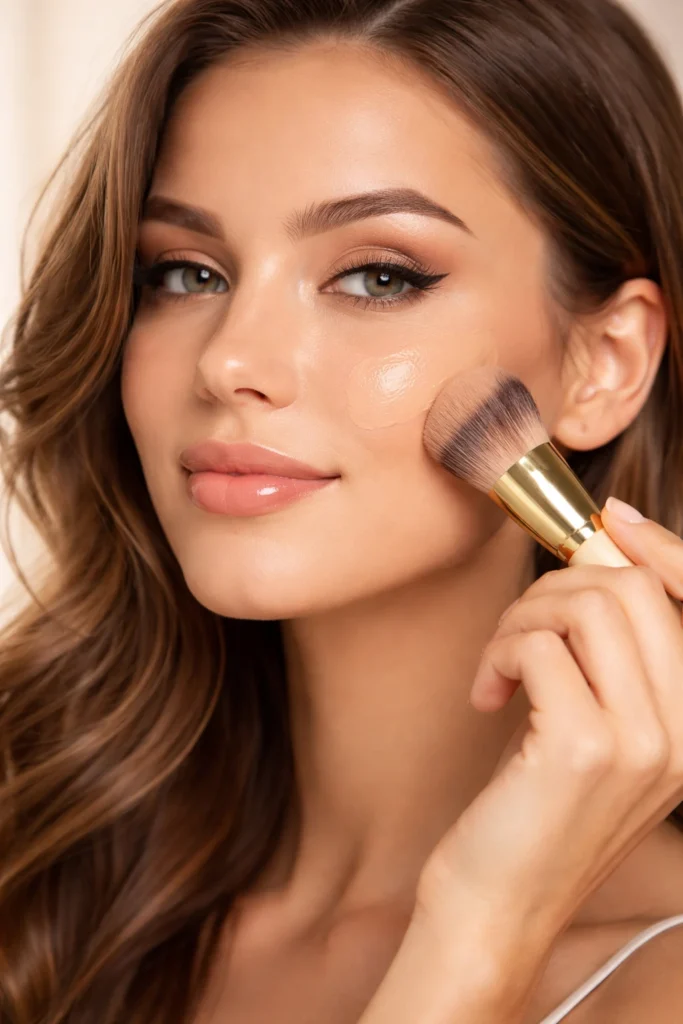
Application technique also plays a significant role in how your foundation looks. Using tools like brushes, sponges, or even your fingers can affect the final finish. Blending the foundation properly ensures that there are no harsh lines or uneven patches. Taking your time with this step can make a noticeable difference in the overall appearance of your makeup.
In addition to coverage and shade, the finish of your foundation matters as well. Matte foundations are great for controlling oil and shine, while dewy foundations provide a radiant, glowing effect. Choosing the right finish based on your skin type and desired look can elevate your makeup game significantly.
Prepping your skin before applying foundation is another key factor that should not be overlooked. Clean, moisturized skin allows the foundation to sit better and last longer. Using a primer can further enhance the longevity and smoothness of your base, making your makeup look more refined.
Layering your foundation gradually is a technique that professionals often use. Instead of applying a thick layer all at once, building coverage slowly helps achieve a more natural and skin-like finish. This approach prevents the makeup from looking cakey or heavy.
It is also important to blend your foundation down to your neck and ears to maintain consistency in your overall look. This simple step ensures that there are no visible lines and that your makeup appears seamless from every angle.
Ultimately, a well-chosen and properly applied foundation sets the stage for the rest of your makeup. It enhances your natural features while providing a flawless base that makes all other products look better and last longer.
2. Concealer – Brighten and Correct
Concealer is a powerful product that works alongside foundation to perfect your complexion. While foundation provides an overall even tone, concealer targets specific areas that need extra coverage. This includes dark circles, blemishes, redness, and pigmentation. Using concealer effectively can instantly make your skin look clearer and more radiant.
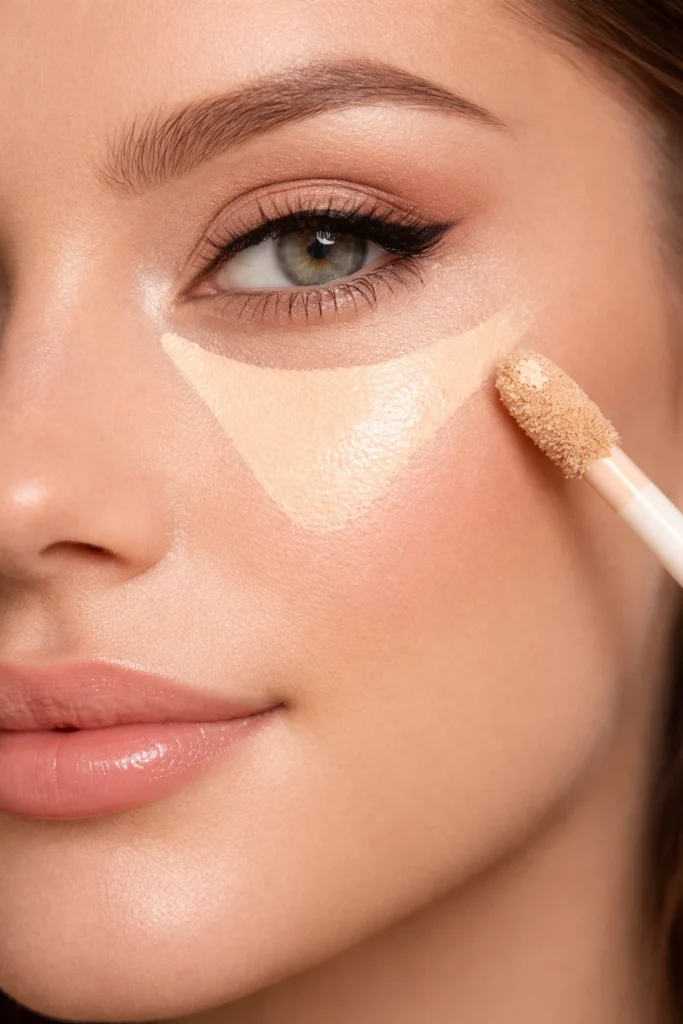
One of the most common uses of concealer is to brighten the under-eye area. Dark circles can make you look tired, even if you are well-rested. Applying concealer in a strategic way can lift and illuminate this area, giving your face a fresh and awake appearance. The triangle method is a popular technique that helps achieve this effect.
Choosing the right shade of concealer is important for achieving the desired results. For covering blemishes, it is best to use a shade that matches your foundation. For brightening the under-eye area, a slightly lighter shade works well. This creates a subtle highlight that enhances your features without looking unnatural.
Texture and formula also play a significant role in how concealer performs. Creamy concealers are ideal for dry skin, while lightweight, matte formulas work better for oily skin. Selecting the right formula ensures that the product blends easily and stays in place throughout the day.
Application technique is key when using concealer. Using a small brush or a damp sponge can help you blend the product seamlessly into your skin. Patting motions work better than rubbing, as they prevent the product from moving around and losing coverage.
Color correcting is another advanced technique that can be used with concealer. Different colors are used to neutralize specific skin concerns. For example, peach or orange tones can counteract dark circles, while green can reduce redness. This step can enhance the effectiveness of your concealer.
Layering is important when working with concealer. Applying thin layers allows you to build coverage gradually without making the skin look heavy. This technique helps maintain a natural finish while effectively covering imperfections.
Setting your concealer with a light dusting of powder can help prevent creasing and increase longevity. This is especially important for the under-eye area, where movement can cause the product to settle into fine lines.
Blending the edges of your concealer with your foundation ensures a seamless transition between products. This creates a cohesive look and prevents any harsh lines or patches from appearing.
Overall, concealer is an essential tool for refining your makeup look. When used correctly, it enhances your complexion, brightens your features, and contributes significantly to achieving a flawless finish.
3. Setting Powder – Lock It In
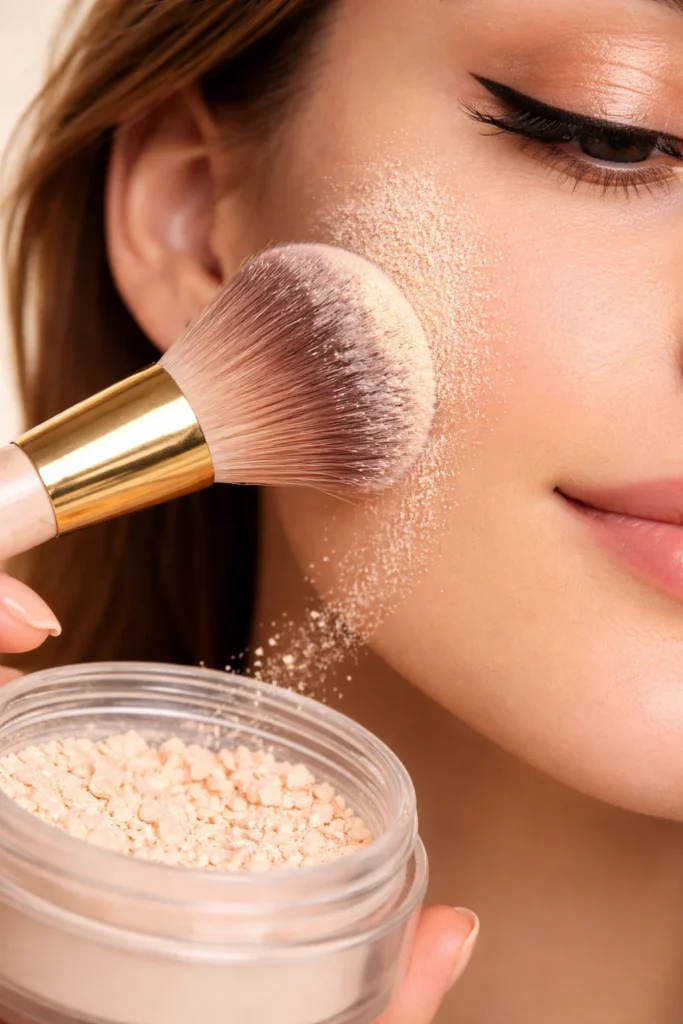
Setting powder is a crucial step that ensures your makeup stays in place and looks fresh throughout the day. After applying foundation and concealer, your skin may appear slightly dewy or sticky. Setting powder helps lock everything in and provides a smooth, matte finish.
There are two main types of setting powders: loose and pressed. Loose powders are finely milled and provide a lightweight finish, making them ideal for setting makeup without adding extra coverage. Pressed powders, on the other hand, are more compact and convenient for on-the-go touch-ups.
One of the primary benefits of setting powder is its ability to control shine. For those with oily or combination skin, this product is essential in maintaining a balanced and polished look. Applying powder to the T-zone can significantly reduce excess oil and keep your makeup intact.
The technique of “baking” is a popular method used with setting powder. It involves applying a generous amount of powder to certain areas and letting it sit for a few minutes before brushing it off. This helps set the makeup more effectively and creates a smooth, airbrushed finish.
Using the right tools can make a big difference when applying setting powder. A fluffy brush provides a light, natural application, while a sponge can be used for more precise and targeted setting. Choosing the right tool depends on your desired finish.
It is important not to overapply setting powder, as this can make your skin look dry and cakey. A light hand is key to achieving a natural and flawless result. Focus on areas that tend to get oily rather than applying powder all over your face.
Setting powder also helps blur fine lines and imperfections, giving your skin a smoother appearance. This makes it an essential step for achieving a polished and professional makeup look.
For those with dry skin, choosing a hydrating or finely milled powder can prevent the skin from looking dull. This ensures that your makeup remains comfortable and visually appealing throughout the day.
Reapplying powder throughout the day can help maintain your makeup, especially in hot or humid conditions. Carrying a compact powder allows for quick and easy touch-ups whenever needed.
In conclusion, setting powder plays a vital role in enhancing the longevity and finish of your makeup. It ensures that your look remains fresh, smooth, and flawless from morning to night.
4. Blush – Add Life to Your Face
Blush is often underestimated, but it is one of the most transformative makeup products. It adds warmth, dimension, and a healthy glow to your face. Without blush, your makeup can appear flat or lifeless, especially after applying foundation and powder.
There are different types of blushes available, including powder, cream, and liquid formulas. Powder blushes are easy to use and work well for most skin types, while cream and liquid blushes provide a more natural and dewy finish. Choosing the right formula depends on your skin type and desired look.
Selecting the right shade of blush is essential for achieving a flattering result. Warm tones such as peach and coral suit warmer skin tones, while pink and rose shades complement cooler tones. Finding the right shade enhances your natural complexion.
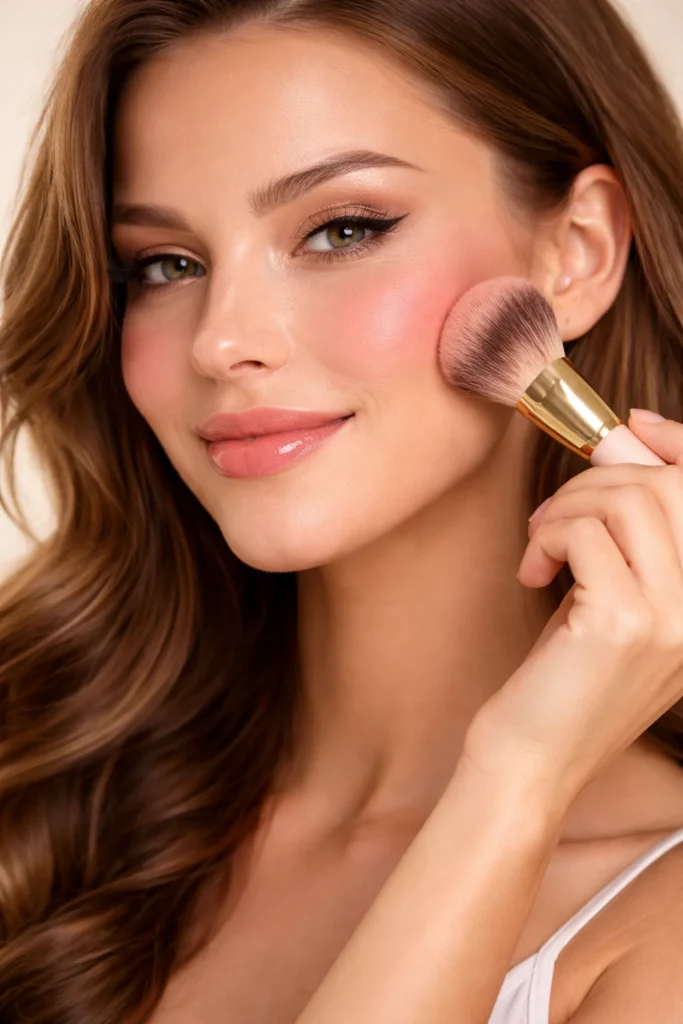
Placement of blush can significantly affect your overall appearance. Applying blush to the apples of your cheeks creates a youthful look, while placing it slightly higher can give a lifted effect. Experimenting with placement helps you find what works best for your face shape.
Blending is key when applying blush. Harsh lines can make the makeup look unnatural, so it is important to blend the product seamlessly into your skin. Using a soft brush or sponge can help achieve a smooth finish.
Layering blush gradually allows you to control the intensity of the color. Starting with a light application and building up ensures that the result looks natural and not overly dramatic.
Blush can also be used creatively to enhance other areas of the face. Applying a small amount across the nose or temples can create a cohesive and sun-kissed look. This technique adds depth and interest to your makeup.
Combining blush with other products such as highlighter can further enhance your glow. This creates a radiant and dimensional effect that looks fresh and modern.
Choosing the right finish, whether matte or dewy, can also impact your overall look. Matte blushes provide a more subtle effect, while dewy finishes add a luminous glow.
Ultimately, blush brings life back to your face and completes your makeup look. It adds the final touch of color that makes your complexion appear healthy, vibrant, and beautifully balanced.
5. Setting Spray – The Final Touch
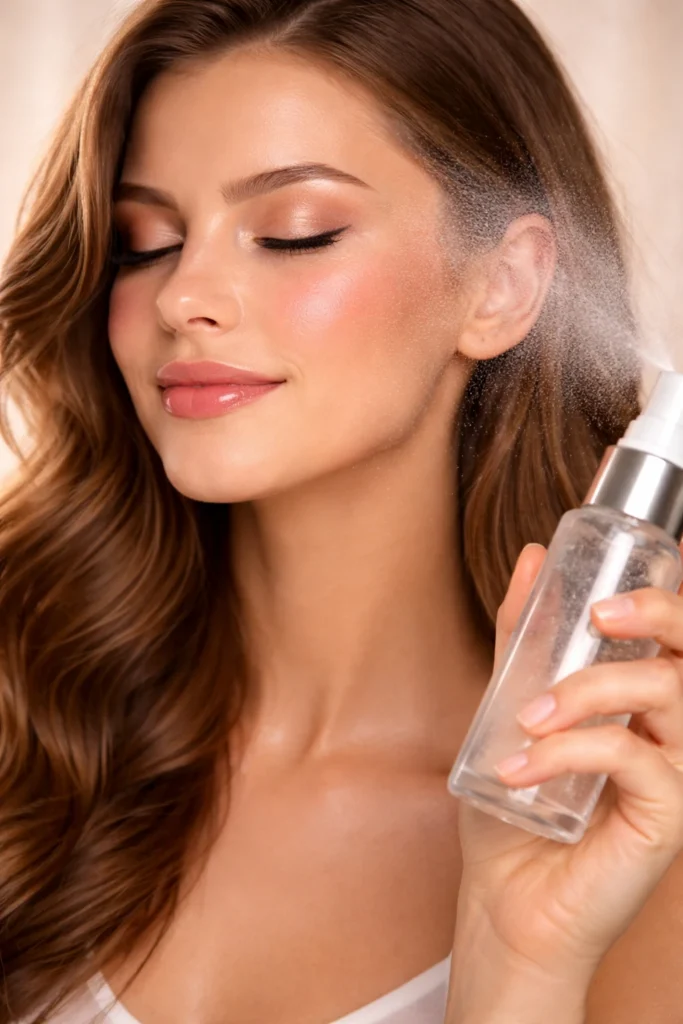
Setting spray is the final step that ties your entire makeup look together. After applying all your products, your makeup may appear slightly powdery or disconnected. Setting spray helps melt everything into a cohesive, natural finish.
One of the main benefits of setting spray is its ability to extend the wear of your makeup. It creates a protective layer that helps your makeup stay intact throughout the day, even in challenging conditions such as heat and humidity.
There are different types of setting sprays available, including matte, dewy, and hydrating formulas. Matte sprays are ideal for controlling oil, while dewy sprays add a radiant glow. Choosing the right type depends on your skin type and desired finish.
Application technique is important when using setting spray. Holding the bottle at a distance and spraying evenly ensures that the product is distributed properly. This prevents any areas from becoming too wet or uneven.
Setting spray also helps reduce the appearance of cakiness by blending all the layers of makeup together. This results in a smoother and more natural-looking finish.
For those with dry skin, hydrating setting sprays can provide an extra boost of moisture. This keeps the skin looking fresh and prevents the makeup from appearing dull.
Using setting spray between layers of makeup is a technique that can enhance longevity even further. Lightly misting your face after foundation or powder can help lock each layer in place.
Carrying a travel-sized setting spray allows for quick refreshes throughout the day. This is especially useful during long events or busy schedules when your makeup needs a boost.
Setting spray can also enhance the intensity of certain products. Spraying your brush before applying highlighter or eyeshadow can make the colors appear more vibrant and long-lasting.
In conclusion, setting spray is the finishing touch that ensures your makeup looks flawless and stays that way. It brings everything together and provides a polished, long-lasting result that completes your beauty routine.
Final Thoughts
A flawless makeup look is not about complexity but about mastering the essentials. With foundation, concealer, setting powder, blush, and setting spray, you have everything you need to create a polished and radiant appearance. Each product plays a specific role, and together they form a complete routine that enhances your natural beauty.
By understanding how to choose and use these products effectively, you can achieve consistent results that look professional and effortless. Practice, patience, and the right techniques will help you refine your skills over time.
With these five essentials in your makeup kit, achieving a flawless look becomes simple, enjoyable, and completely within your reach.