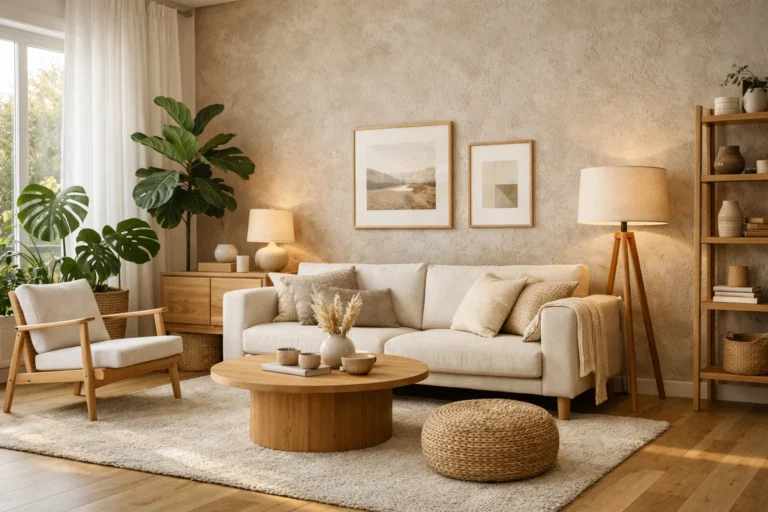
Top 5 Home Decor Ideas to Elevate Your Interior Design Game
A well-designed home is more than just a place to live—it’s a reflection of your personality, lifestyle, and taste. Every color, texture, and piece of furniture contributes to the atmosphere you experience daily, influencing your mood, productivity, and overall well-being. In today’s fast-paced world, having a thoughtfully decorated home can provide a sense of comfort, control, and relaxation that’s hard to find elsewhere. Whether you’re living in a compact apartment or a spacious house, the principles of good interior design remain the same: balance, harmony, and intentionality. The best part is that elevating your home decor doesn’t require a massive budget or professional expertise; it simply requires a clear vision and smart choices. By focusing on a few impactful design elements, you can completely transform your space into something that feels both luxurious and uniquely yours. In this guide, we’ll dive deep into five transformative home decor ideas that are not only stylish but also practical and achievable. These ideas are designed to help you create a home that feels cohesive, inviting, and visually stunning without overwhelming your space or your budget.
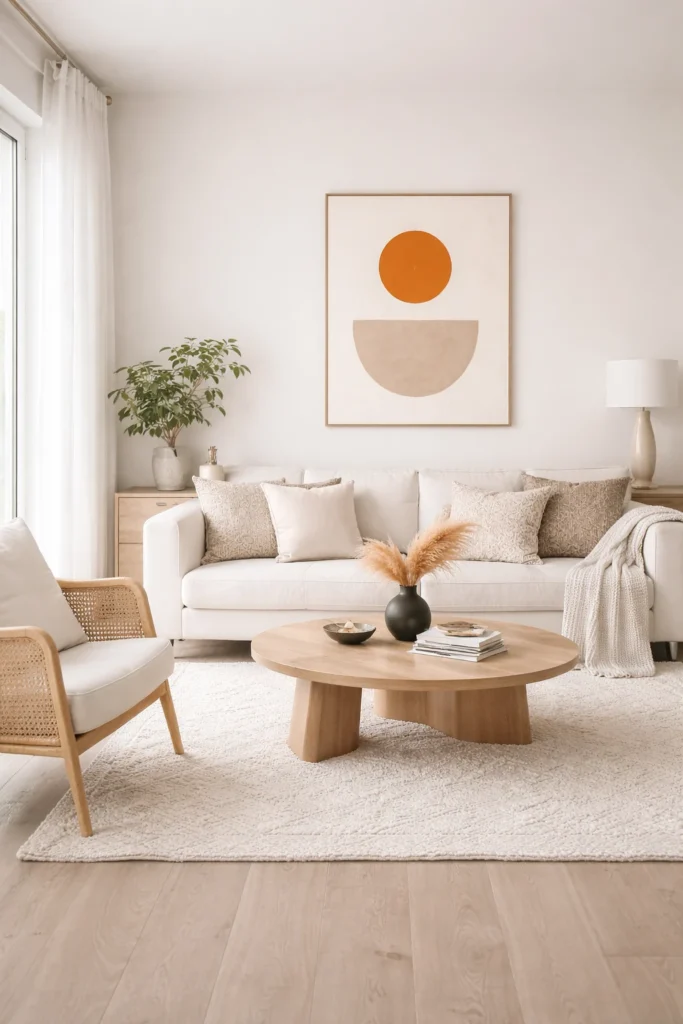
1. Embrace Minimalism with a Personal Touch
Minimalism is often misunderstood as a design approach that strips away personality, leaving behind cold and empty spaces, but in reality, it is about creating intentional environments that highlight what truly matters. At its core, minimalism focuses on simplicity, functionality, and clarity, allowing each element in your home to have a purpose and a presence. When you remove unnecessary clutter, you create room for meaningful pieces to stand out, making your space feel more curated and refined. This approach is especially effective in modern living, where busy lifestyles demand calm and organized environments that promote mental clarity. However, successful minimalism is not about removing everything—it’s about choosing wisely and decorating thoughtfully. By combining clean lines with subtle textures and carefully selected decor items, you can create a space that feels both serene and full of character.
To achieve a minimalist look, start by decluttering your home and identifying items that no longer serve a purpose or bring you joy. This process alone can dramatically change how your space feels, making it more open and breathable. Once you’ve simplified your surroundings, focus on selecting furniture that is both functional and aesthetically pleasing, with simple shapes and neutral tones. A consistent color palette plays a crucial role in minimalism, as it creates visual harmony and prevents the space from feeling chaotic. Soft whites, warm beiges, gentle greys, and muted pastels work beautifully to establish a calm foundation. From there, you can layer in subtle elements like textured fabrics, natural materials, or a single bold accent piece to add depth and personality without overwhelming the design.
Adding a personal touch is what transforms minimalism from a sterile concept into a warm and inviting style. This can be achieved through carefully chosen decor items such as artwork, books, or sentimental objects that reflect your identity. Instead of filling every surface, focus on a few standout pieces that draw attention and tell a story. For example, a large framed artwork or a sculptural vase can act as a focal point while maintaining the simplicity of the space. Lighting also plays a key role in minimalist interiors, as natural light enhances the openness and highlights the textures within the room. By striking the right balance between simplicity and personality, you can create a minimalist home that feels both elegant and deeply personal.
2. Use Statement Lighting to Transform Your Space
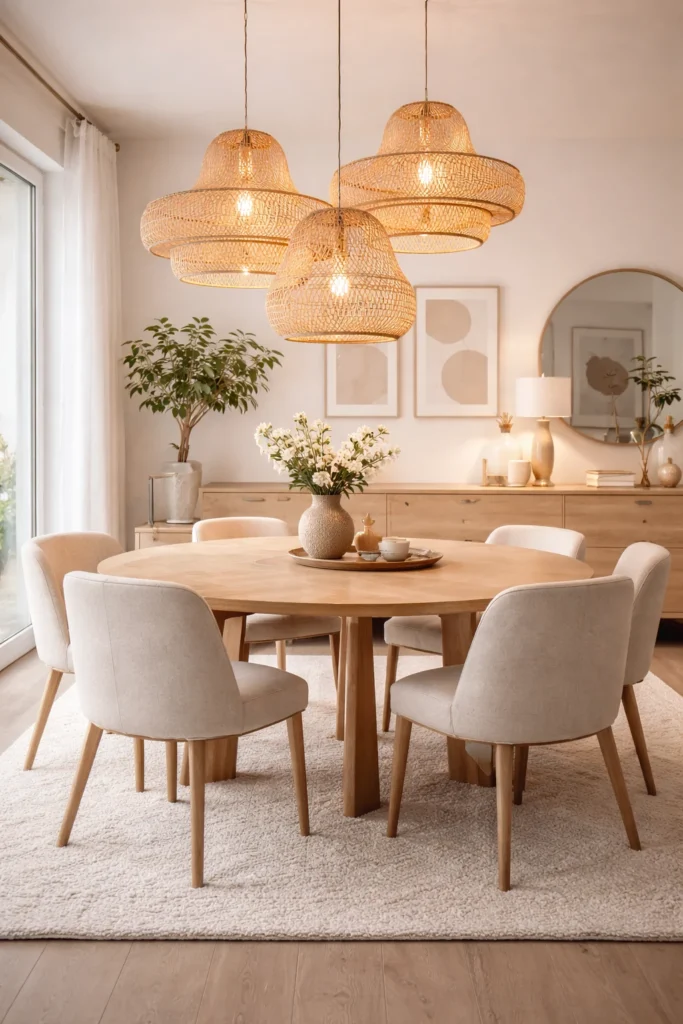
Lighting is one of the most powerful tools in interior design, yet it is often overlooked in favor of furniture and decor. The truth is that lighting has the ability to completely transform how a space looks and feels, influencing everything from color perception to mood and ambiance. A well-lit room can feel warm, inviting, and dynamic, while poor lighting can make even the most beautifully decorated space appear dull and lifeless. Statement lighting, in particular, serves as both a functional necessity and a design feature, allowing you to introduce artistic elements that elevate your interior. Whether it’s a dramatic chandelier, a sleek pendant light, or a sculptural floor lamp, the right lighting fixture can become the centerpiece of a room.
To create an effective lighting scheme, it’s important to understand the concept of layered lighting, which involves combining different types of light sources to achieve balance and depth. Ambient lighting provides overall illumination, ensuring the room is adequately lit for general use, while task lighting focuses on specific activities such as reading or cooking. Accent lighting, on the other hand, is used to highlight particular features like artwork, architectural details, or decorative elements. By layering these different types of lighting, you can create a dynamic environment that adapts to different needs and moods throughout the day.
Statement lighting takes this concept a step further by adding a bold visual element that enhances the overall design of your space. For example, an oversized pendant light above a dining table can create a sense of drama and sophistication, while a unique floor lamp in a living room can add character and style. The key is to choose lighting fixtures that complement your decor while still standing out as focal points. Materials, shapes, and finishes all play a role in achieving this balance, allowing you to align your lighting choices with your overall design theme. Additionally, incorporating dimmers can give you greater control over brightness, enabling you to adjust the ambiance according to different occasions. With thoughtful lighting choices, you can elevate your home from ordinary to extraordinary.
3. Bring Nature Indoors with Natural Elements
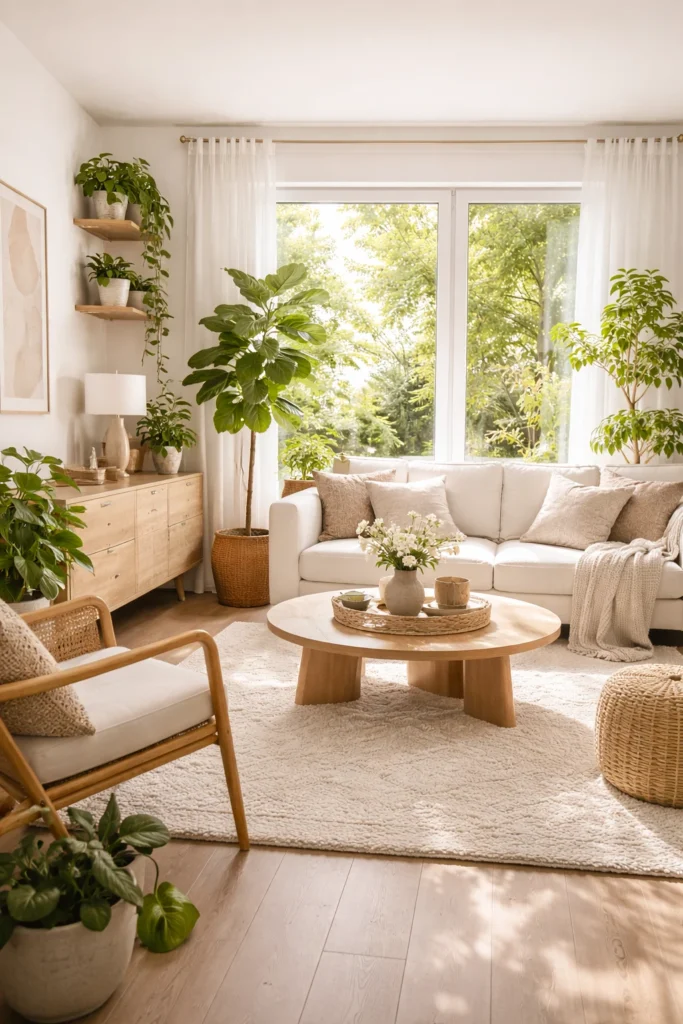
Incorporating natural elements into your home is one of the most effective ways to create a calming and inviting environment that feels connected to the outside world. This design approach, often referred to as biophilic design, emphasizes the importance of nature in enhancing human well-being and comfort. By bringing elements of the outdoors inside, you can create a space that feels fresh, vibrant, and full of life. Natural decor not only improves the visual appeal of your home but also contributes to a healthier and more balanced living environment. From indoor plants to organic materials and earthy color palettes, there are countless ways to integrate nature into your interior design.
Indoor plants are perhaps the most popular and accessible way to introduce natural elements into your home. They add color, texture, and vitality, instantly transforming any space into a more dynamic and lively environment. Beyond their aesthetic appeal, plants also offer practical benefits such as improving air quality and reducing stress. Choosing the right plants for your lifestyle is essential, especially if you’re new to plant care. Low-maintenance options like snake plants, pothos, and peace lilies are ideal for beginners, as they require minimal attention while still delivering maximum impact. Placing plants strategically throughout your home—on shelves, tables, or even hanging from the ceiling—can create a layered and cohesive look.
In addition to plants, incorporating natural materials such as wood, stone, and rattan can further enhance the organic feel of your space. Wooden furniture, woven baskets, and ceramic decor pieces add warmth and texture, creating a sense of authenticity and timelessness. Earthy color tones like greens, browns, and terracotta can be used to complement these materials, reinforcing the connection to nature. Even small details, such as linen curtains or cotton cushions, can contribute to a more natural and relaxed atmosphere. For those who prefer low-maintenance options, high-quality artificial plants or dried arrangements can provide a similar aesthetic without the need for upkeep. By thoughtfully integrating natural elements, you can create a home that feels both refreshing and harmonious.
4. Layer Textures for Depth and Comfort
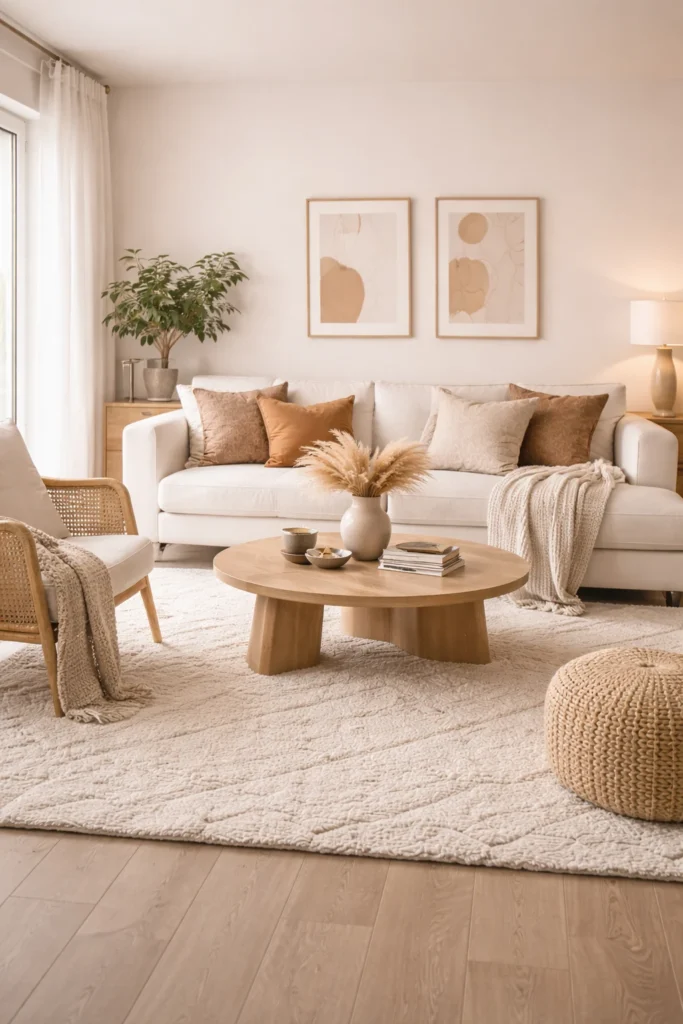
Texture is an essential yet often underestimated aspect of interior design that has the power to transform a flat and uninspiring space into one that feels rich, dynamic, and inviting. While color and layout are important, texture adds another dimension that enhances both the visual and tactile experience of a room. By combining different materials and finishes, you can create depth and contrast that make your space feel more sophisticated and complete. This approach is particularly effective in neutral interiors, where texture becomes the primary tool for adding interest and variation without overwhelming the design.
Layering textures involves thoughtfully combining elements such as fabrics, materials, and finishes to create a balanced and cohesive look. Soft textures like rugs, cushions, and throws add warmth and comfort, making your space feel more inviting and lived-in. Harder textures such as wood, metal, and glass provide contrast, preventing the room from feeling too soft or monotonous. The key is to strike a balance between these different elements, ensuring that no single texture dominates the space. For example, pairing a plush sofa with a sleek coffee table or a woven rug with a smooth floor can create a harmonious interplay of textures.
One of the most effective ways to incorporate texture is through layering, which involves stacking or combining multiple elements to create a sense of depth. This can be achieved by layering rugs, mixing different fabrics on furniture, or combining matte and glossy finishes within the same space. Lighting also plays a role in highlighting textures, as it can enhance shadows and reflections that bring out the details of each material. By experimenting with different combinations and arrangements, you can discover what works best for your space and personal style. Ultimately, layering textures allows you to create a home that feels not only visually appealing but also comfortable and inviting.
5. Create a Strong Focal Point
A focal point is a defining feature that anchors a room and draws attention, providing a sense of structure and direction within the space. Without a focal point, a room can feel scattered and lacking in purpose, making it difficult for the eye to settle. By establishing a clear visual centerpiece, you can create a sense of balance and cohesion that enhances the overall design. Focal points can take many forms, from architectural features like fireplaces to decorative elements like artwork or statement furniture. The key is to choose something that stands out while complementing the rest of the space.
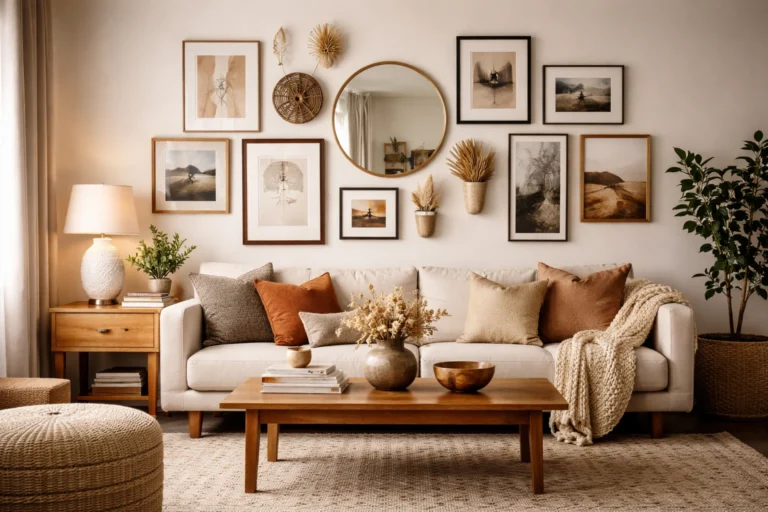
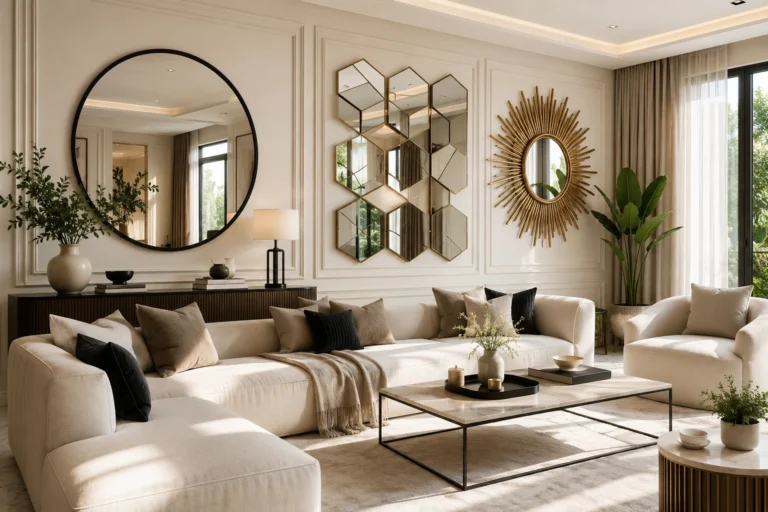
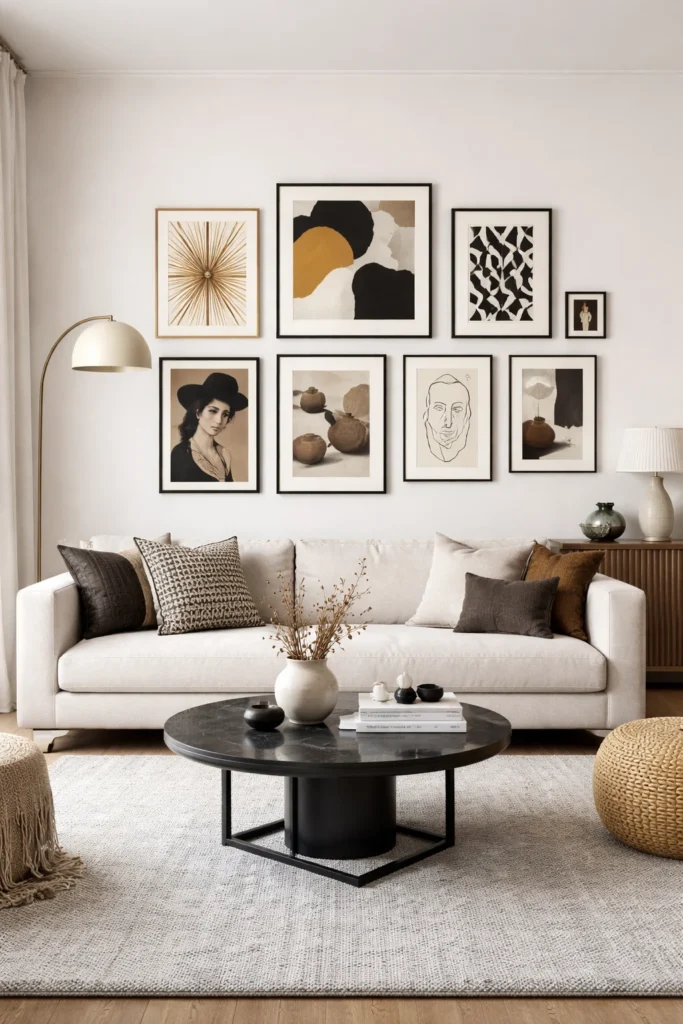
Creating a focal point involves using contrast, scale, and placement to draw attention to a specific area. This could be achieved through bold colors, unique textures, or striking designs that differentiate the focal point from its surroundings. For example, an accent wall painted in a deep or vibrant color can immediately capture attention, while a gallery wall filled with artwork can add personality and visual interest. Large mirrors, statement sofas, or distinctive lighting fixtures can also serve as effective focal points, depending on the layout and purpose of the room.
Once you’ve established a focal point, it’s important to design the rest of the room in a way that supports and enhances it rather than competing for attention. This means keeping surrounding decor relatively simple and cohesive, allowing the focal point to remain the star of the space. Symmetry and balance can also help reinforce the focal point, guiding the viewer’s eye naturally toward it. Avoid overcrowding the area or introducing too many competing elements, as this can dilute the impact and create visual confusion. By thoughtfully creating and emphasizing a focal point, you can transform your room into a well-structured and visually compelling space.
Final Thoughts
Elevating your home decor is not about following strict rules or chasing trends—it’s about creating a space that feels authentic, comfortable, and inspiring to you. By embracing minimalism, enhancing lighting, incorporating natural elements, layering textures, and establishing focal points, you can achieve a balanced and stylish interior that reflects your personality. Each of these ideas works independently, but when combined, they create a cohesive design approach that elevates your entire home. The beauty of interior design lies in its flexibility, allowing you to adapt these principles to suit your unique preferences and lifestyle. With thoughtful planning and a creative mindset, you can transform your home into a space that not only looks beautiful but also feels truly yours.