Top 5 Home Decor Ideas to Elevate Your Interior Design Game
A well-decorated home is more than just visually appealing—it reflects your personality, enhances comfort, and improves your overall lifestyle. Whether you’re redesigning your entire house or simply refreshing a single room, the right decor choices can make a dramatic difference. The good news? You don’t need a professional designer or a massive budget to create a stunning space. With a few thoughtful changes and creative ideas, you can elevate your home’s interior design game like a pro. In this comprehensive guide, we’ll explore five powerful home decor ideas that are practical, stylish, and adaptable for every type of home.
1. Embrace Minimalism with a Personal Touch
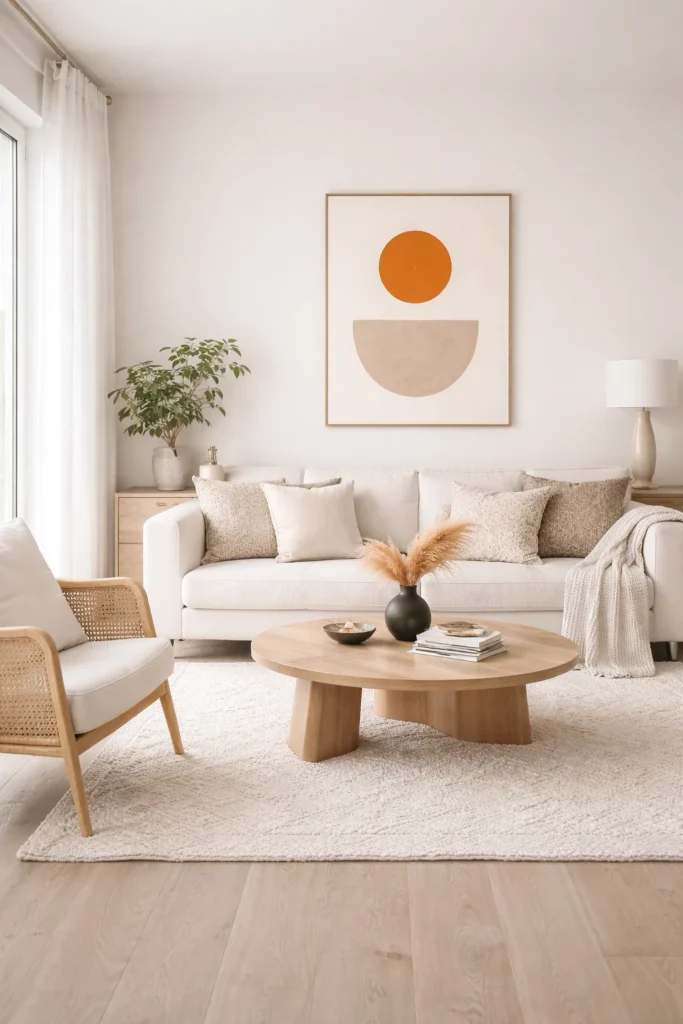
Minimalism has become one of the most popular interior design styles—and for good reason. It promotes clarity, simplicity, and calmness, all while making your home look modern and elegant. However, true minimalism isn’t about removing everything. It’s about keeping what truly matters and making intentional design choices.
Why Minimalism Works
A clutter-free environment helps reduce stress and increases productivity. It also makes your space look larger and more organized, especially if you’re working with limited square footage.
How to Create a Minimalist Space
Start by decluttering your home. Go through your belongings and keep only items that serve a purpose or bring you joy. Once you’ve cleared the excess, focus on the essentials.
- Choose furniture with clean lines and simple designs
- Stick to a neutral color palette like white, beige, gray, or soft pastels
- Avoid overcrowding surfaces with too many decorative pieces
- Opt for hidden storage solutions to maintain a clean look
Adding Personality to Minimalism
One common misconception is that minimalist spaces feel cold or boring. This doesn’t have to be the case.
You can easily add warmth and character by incorporating:
- A statement artwork
- A bold accent chair
- Personal items like books or travel souvenirs
- Subtle textures such as woven baskets or linen curtains
The key is balance—keeping things simple without stripping away personality.
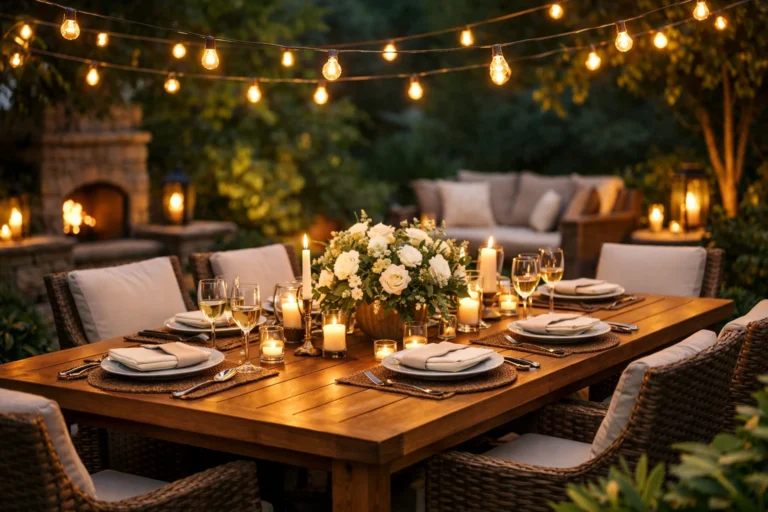
2. Use Statement Lighting to Transform Your Space
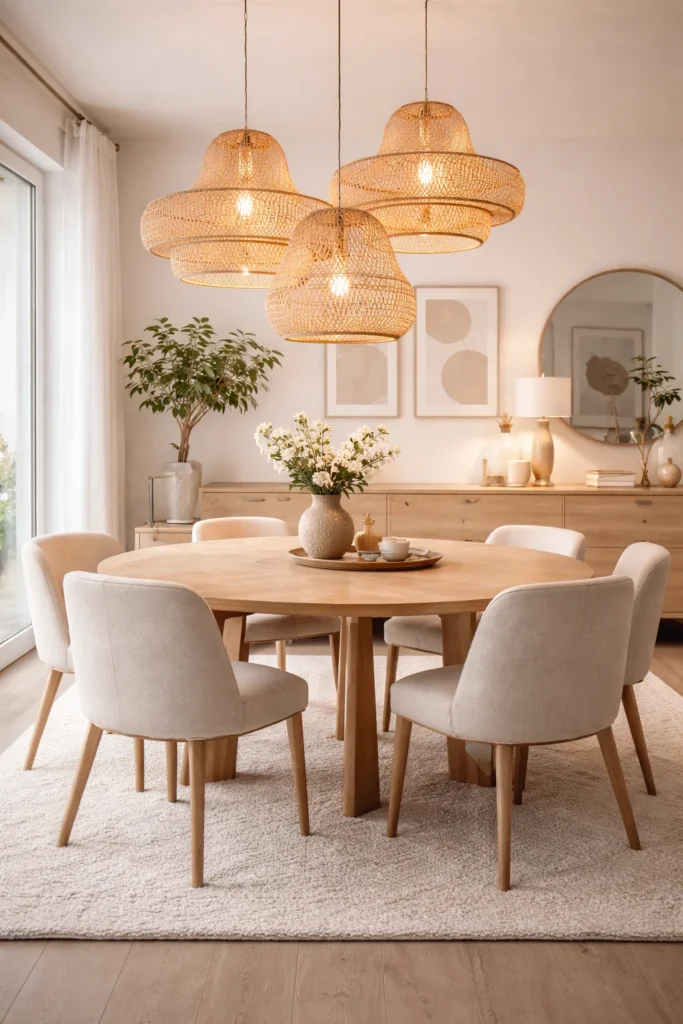
Lighting is one of the most impactful yet underrated elements in interior design. The right lighting can completely change how a room looks and feels.
The Power of Lighting
Lighting influences mood, highlights design elements, and adds depth to your space. Poor lighting can make even the most beautifully decorated room feel dull, while great lighting can elevate even the simplest interiors.
Types of Lighting You Should Use
To create a well-lit and visually appealing home, combine three types of lighting:
Ambient Lighting
This is your main source of light, such as ceiling fixtures or chandeliers.
Task Lighting
Used for specific activities like reading, cooking, or working. Examples include desk lamps and under-cabinet lighting.
Accent Lighting
Used to highlight artwork, architectural features, or decor elements.
Statement Lighting Ideas
If you want to make a bold impression, invest in statement lighting fixtures such as:
- Oversized pendant lights
- Artistic chandeliers
- Sculptural floor lamps
- LED strip lighting for a modern touch
Pro Tips
- Use warm lighting for cozy spaces like bedrooms and living rooms
- Use cool lighting in kitchens and workspaces
- Install dimmers to adjust brightness based on mood
A well-lit room not only looks better but also feels more welcoming and functional.
3. Bring Nature Indoors with Natural Elements
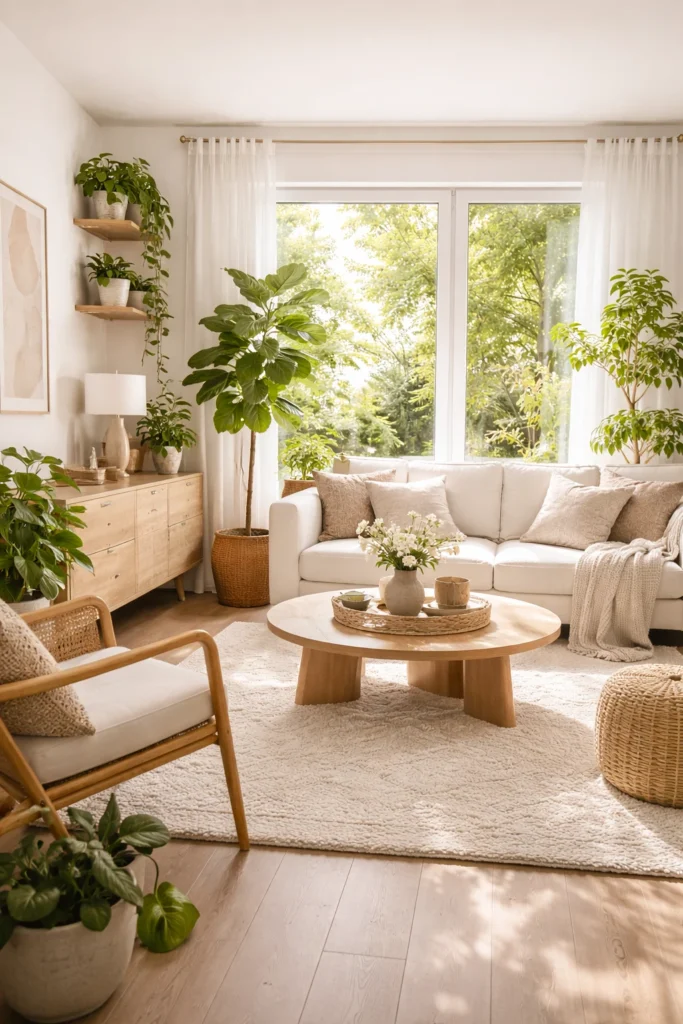
Nature-inspired interiors have gained massive popularity—and it’s easy to see why. Incorporating natural elements creates a calming, refreshing environment that connects you with the outdoors.
Benefits of Natural Decor
Adding nature to your home:
- Improves air quality
- Reduces stress and anxiety
- Enhances visual appeal
- Creates a balanced and harmonious atmosphere
Ways to Incorporate Natural Elements
Indoor Plants
Plants are one of the easiest ways to bring life into your home. Some popular low-maintenance options include:
- Snake plant
- Pothos
- Peace lily
- Fiddle leaf fig
Natural Materials
Use materials like:
- Wood (furniture, shelves)
- Stone (decor accents)
- Rattan or wicker (chairs, baskets)
Earthy Color Palette
Choose colors inspired by nature, such as:
- Greens
- Browns
- Terracotta
- Sandy beige tones
For Low-Maintenance Homes
If you’re not great with plants, don’t worry. You can still achieve a natural look with:
- Artificial plants (high-quality ones look very realistic)
- Dried flowers
- Botanical prints or wallpapers
Nature-inspired decor adds warmth and timeless beauty to any space.
4. Layer Textures for Depth and Comfort
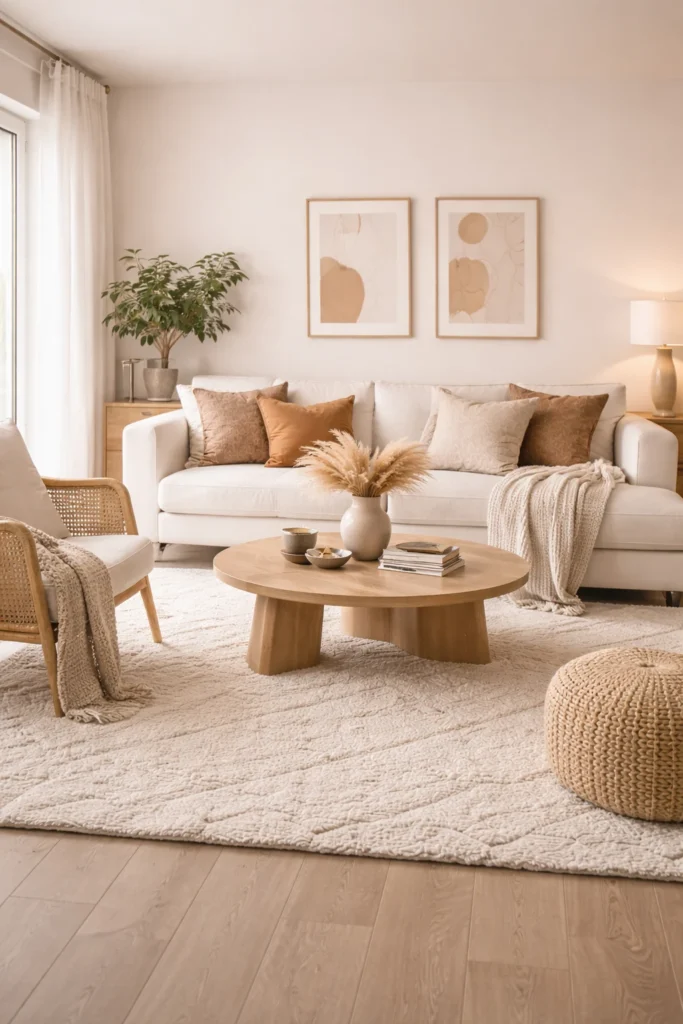
If your room feels flat or uninspiring, the missing element is often texture. Texture adds dimension, richness, and a sense of luxury to your space.
What Is Texture in Interior Design?
Texture refers to how a surface feels or appears to feel. It can be:
- Soft (fabric, rugs)
- Rough (wood, stone)
- Smooth (glass, metal)
Why Texture Matters
Even if your color palette is neutral, combining different textures can make your space visually dynamic and interesting.
Easy Ways to Add Texture
Soft Furnishings
- Throw pillows
- Blankets
- Curtains
- Rugs
Furniture Materials
- Velvet sofas for a luxurious feel
- Leather chairs for sophistication
- Wooden tables for warmth
Decor Elements
- Woven baskets
- Ceramic vases
- Metallic accents
Layering Techniques
Layering is the secret to achieving a designer look:
- Place a smaller rug over a larger one
- Mix different fabrics on your sofa
- Combine matte and glossy finishes
Pro Tip
Stick to a cohesive color scheme while experimenting with textures. This keeps your space looking polished rather than chaotic.
5. Create a Strong Focal Point
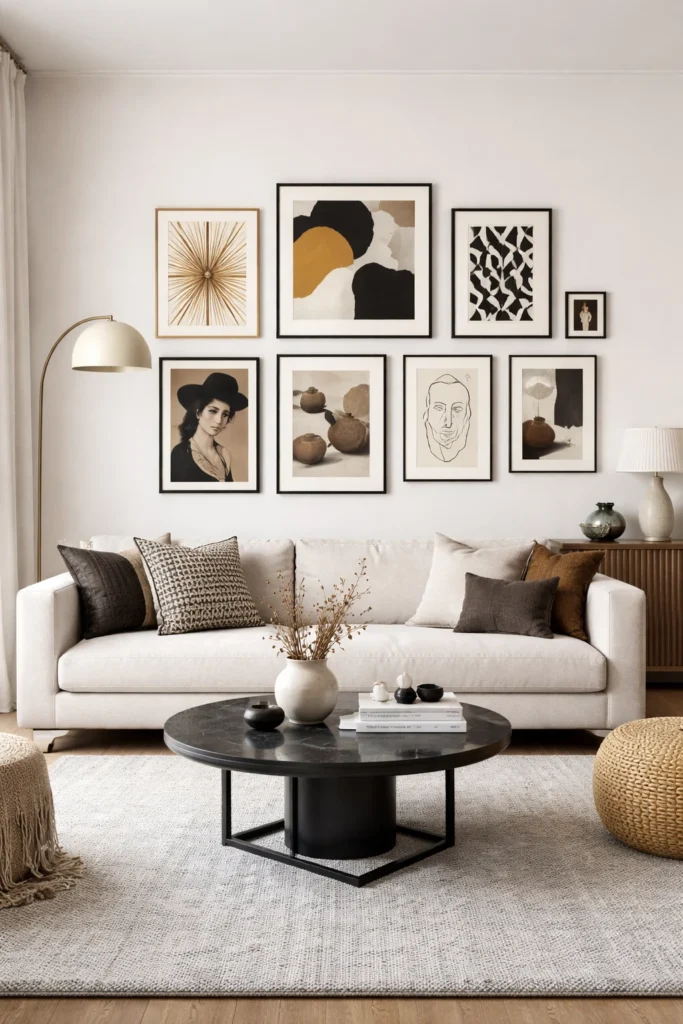
Every well-designed room needs a focal point—a feature that immediately grabs attention and anchors the space. Without a focal point, a room can feel disorganized or incomplete.
Common Focal Points
- A gallery wall
- A bold accent wall
- A fireplace
- A statement piece of furniture
- A large mirror
How to Create a Focal Point
Use Contrast
Choose something that stands out through color, size, or design.
Keep Surroundings Simple
Let your focal point shine by keeping the rest of the decor subtle.
Use Symmetry
Symmetrical arrangements naturally draw the eye and create balance.
Gallery Wall Idea
A gallery wall is a popular and effective focal point. Mix:
- Art prints
- Photographs
- Quotes
- Different frame styles
Accent Wall Ideas
- Bold paint color
- Textured wallpaper
- Wooden paneling
Mistakes to Avoid
- Too many focal points competing for attention
- Overdecorating the main feature
- Poor placement that disrupts flow
A strong focal point gives your room direction and personality.
Bonus Tips to Elevate Your Home Instantly
To take your interior design to the next level, consider these extra tips:
1. Declutter Regularly
A clean space always looks more attractive and relaxing.
2. Use Mirrors Strategically
Mirrors reflect light and make small spaces feel bigger.
3. Upgrade Small Details
Swap out:
- Cabinet handles
- Cushion covers
- Curtains
These small changes can make a big impact.
4. Add Personal Touches
Display items that tell your story:
- Travel souvenirs
- Family photos
- Handmade decor
5. Maintain Consistency
Stick to a cohesive theme or style throughout your home for a harmonious look.
Final Thoughts
Transforming your home doesn’t require a full renovation or a huge budget. By focusing on these five key elements—minimalism, lighting, natural elements, textures, and focal points—you can create a space that is both stylish and functional. Remember, the best interior design is one that reflects your personality while meeting your everyday needs. Don’t be afraid to experiment, mix styles, and evolve your decor over time.