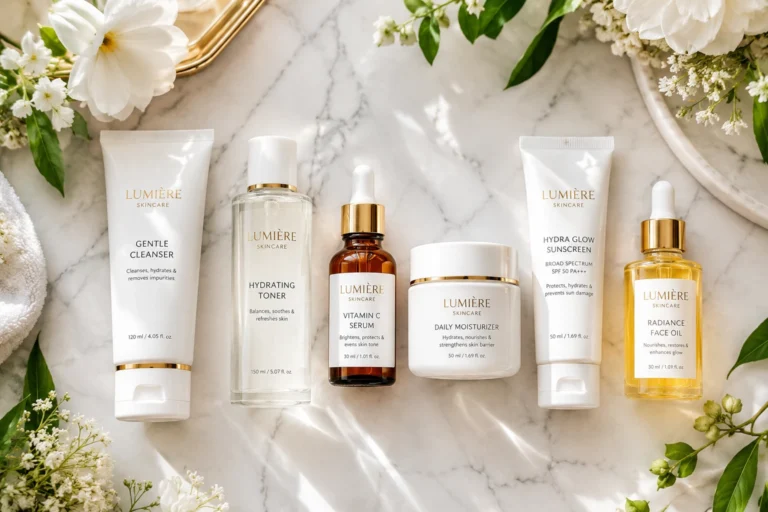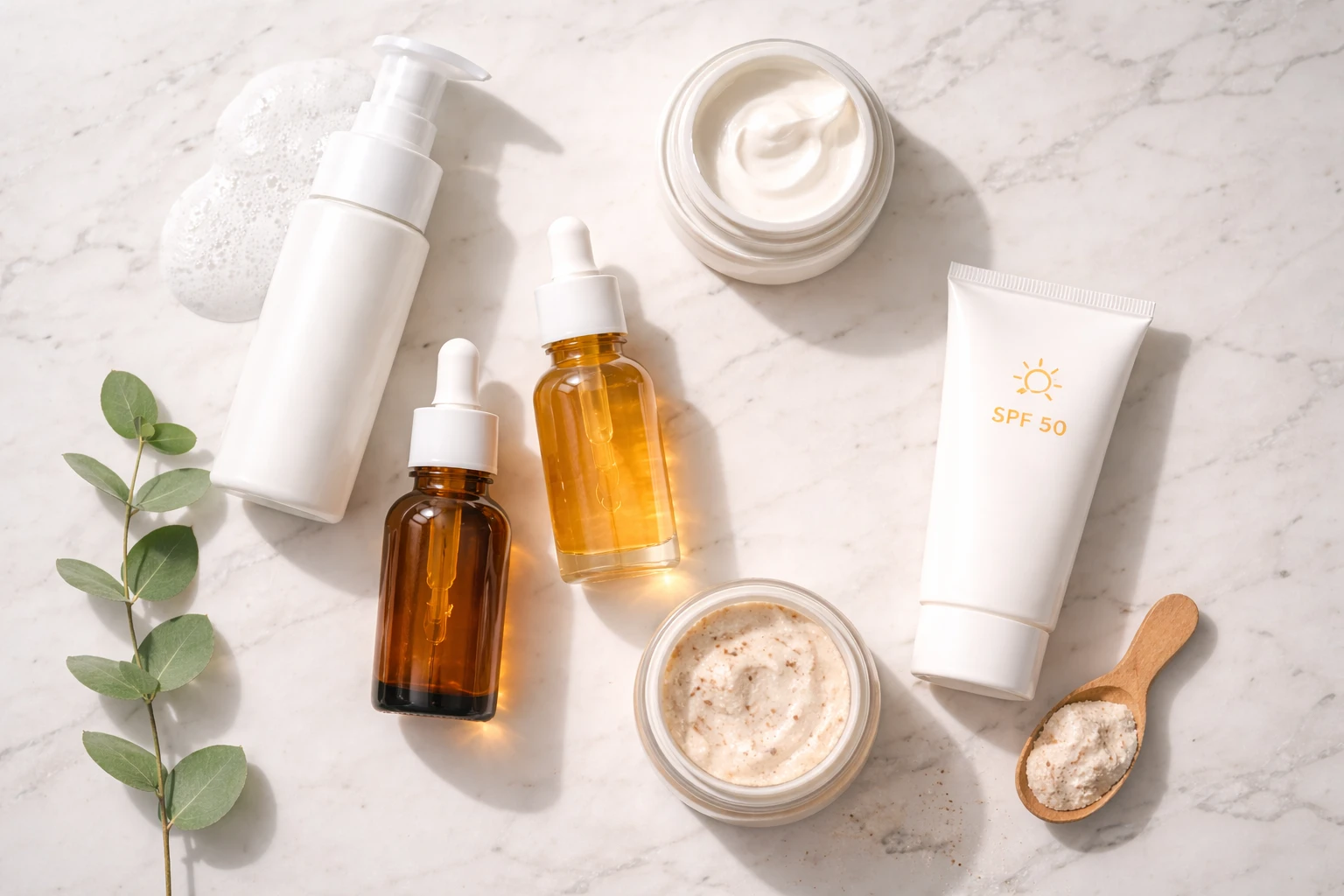
5 Top Skincare Products Every Skin Type Needs
1. Gentle Cleanser – The First Step to Clean and Fresh Skin
A gentle cleanser is the foundation of every effective skincare routine, and without it, even the most expensive products cannot perform properly. Throughout the day, your skin accumulates dirt, excess oil, sweat, pollution, and bacteria, all of which can clog pores and lead to breakouts if not removed. A good cleanser works to clear away these impurities while preserving your skin’s natural moisture barrier, which is essential for maintaining balance. Unlike harsh cleansers that strip the skin, a gentle formula cleans without causing dryness or irritation. This is especially important for people with sensitive or dry skin, as aggressive cleansing can lead to redness and discomfort. Even those with oily skin benefit from a mild cleanser because over-stripping can actually trigger more oil production. Choosing the right cleanser ensures your skin feels refreshed but not tight after washing. Ingredients like glycerin, aloe vera, and ceramides are excellent for maintaining hydration. Gel cleansers are ideal for oily skin, while cream-based ones suit dry skin types. Ultimately, cleansing sets the stage for all other skincare steps to work effectively.
Using a cleanser correctly is just as important as choosing the right one, and many people overlook this step. Washing your face twice a day—once in the morning and once at night—helps maintain clean and healthy skin. Morning cleansing removes sweat and oil that build up overnight, while nighttime cleansing eliminates makeup, dirt, and environmental pollutants. It is important to use lukewarm water instead of hot water, as hot water can strip natural oils and damage the skin barrier. Gently massaging the cleanser into your skin for about 30–60 seconds allows it to break down impurities effectively. Rubbing too harshly or using rough cloths can irritate the skin and cause micro-tears. After cleansing, pat your face dry with a clean towel instead of rubbing it. Consistency in cleansing leads to clearer pores, fewer breakouts, and a brighter complexion. When done properly, this simple step can dramatically improve overall skin health.

2. Moisturizer – Locking in Hydration for Healthy Skin
Moisturizer is one of the most essential skincare products, yet it is often misunderstood, especially by people with oily skin. Regardless of your skin type, hydration is crucial for maintaining a healthy skin barrier and preventing issues like dryness, irritation, and premature aging. A good moisturizer works by sealing in moisture and creating a protective layer on the skin, which helps retain hydration throughout the day. Without proper moisturizing, the skin can become dehydrated, leading to flakiness, tightness, and even increased oil production as the skin tries to compensate. Ingredients such as hyaluronic acid, glycerin, and ceramides are highly effective in keeping the skin hydrated and plump. For dry skin, richer creams provide deep nourishment, while lightweight gel-based moisturizers are better suited for oily or acne-prone skin. Sensitive skin benefits from fragrance-free formulas with soothing ingredients like aloe vera or oat extract. Regular use of moisturizer improves skin texture, making it softer and smoother over time.
Applying moisturizer correctly can significantly enhance its effectiveness and ensure your skin gets the maximum benefit. The best time to apply moisturizer is immediately after cleansing, when your skin is still slightly damp, as this helps lock in hydration. Using the right amount is also important—too little may not provide enough hydration, while too much can feel heavy and clog pores. Gently massage the product into your skin using upward motions to promote circulation and absorption. Morning and night application is recommended to maintain consistent hydration levels. Over time, a well-moisturized skin barrier becomes stronger and more resilient against environmental stressors. This reduces the chances of irritation and helps maintain a youthful appearance. A good moisturizer not only hydrates but also supports the overall health and function of your skin.

3. Sunscreen (SPF) – Daily Protection Against UV Damage
Sunscreen is widely considered the most important step in any skincare routine, and for good reason. Exposure to ultraviolet (UV) rays from the sun is one of the leading causes of premature aging, hyperpigmentation, and even skin cancer. Even on cloudy days or when you are indoors near windows, UV rays can still penetrate the skin and cause damage over time. Sunscreen acts as a protective shield, preventing these harmful rays from affecting your skin. Using a broad-spectrum sunscreen with SPF 30 or higher is recommended for daily use. There are two main types of sunscreens: mineral and chemical. Mineral sunscreens contain ingredients like zinc oxide and sit on top of the skin to reflect UV rays, making them ideal for sensitive skin. Chemical sunscreens absorb UV rays and convert them into heat, offering a lightweight and invisible finish. Incorporating sunscreen into your daily routine is one of the most effective ways to maintain youthful and healthy skin.
Proper application of sunscreen is essential to ensure full protection, as many people do not use enough product or forget to reapply. A general rule is to use about a teaspoon of sunscreen for your face and more for exposed areas of the body. Sunscreen should be applied as the last step in your morning skincare routine, after moisturizer. It is important to apply it at least 15–20 minutes before going outside to allow it to fully absorb. Reapplication every two hours is necessary, especially if you are outdoors, sweating, or swimming. Neglecting sunscreen can lead to cumulative damage that becomes visible over time in the form of wrinkles, dark spots, and uneven skin tone. Consistent use of sunscreen not only protects your skin but also enhances the effectiveness of other skincare products by preventing further damage.

4. Serum – Targeted Treatment for Brighter & Healthier Skin
Serums are highly concentrated skincare products designed to target specific skin concerns, making them a powerful addition to any routine. Unlike moisturizers, which focus on hydration and protection, serums deliver active ingredients deep into the skin to address issues such as fine lines, dullness, acne, and hyperpigmentation. Their lightweight texture allows for quick absorption, ensuring that the skin receives maximum benefits. Popular serum ingredients include vitamin C, which brightens the skin and reduces dark spots; hyaluronic acid, which provides intense hydration; and niacinamide, which helps control oil and improve skin tone. Because serums are formulated with smaller molecules, they penetrate deeper than other products, making them highly effective. Incorporating a serum into your routine can significantly improve the overall appearance and health of your skin over time.
Using a serum correctly ensures that you get the best results without overwhelming your skin. Serums should be applied after cleansing and before moisturizing, as this allows the active ingredients to penetrate effectively. Only a small amount—usually a few drops—is needed for the entire face. Gently patting the serum into the skin rather than rubbing it can improve absorption and reduce irritation. It is also important to choose a serum that matches your specific skin concerns, as using the wrong type may not provide the desired results. Consistency is key, as most serums require regular use over several weeks to show visible improvements. When used properly, serums can transform your skincare routine and help you achieve a more radiant and even complexion.

5. Exfoliant – Removing Dead Skin Cells for a Smooth Glow
Exfoliation is a crucial step in maintaining smooth, radiant skin, yet it is often overlooked or done incorrectly. Over time, dead skin cells accumulate on the surface of the skin, leading to a dull and uneven complexion. Exfoliating helps remove this buildup, allowing fresh, new skin cells to emerge. This process not only improves the texture of your skin but also enhances the effectiveness of other skincare products by allowing them to penetrate more easily. There are two main types of exfoliants: physical and chemical. Physical exfoliants use small particles or tools to manually remove dead skin cells, while chemical exfoliants use acids like AHAs and BHAs to dissolve them gently. Each type has its benefits, but choosing the right one depends on your skin type and sensitivity level.
Proper exfoliation requires balance, as over-exfoliating can damage the skin barrier and cause irritation. Most skin types benefit from exfoliating one to three times per week, depending on their needs. Those with sensitive skin should opt for gentle exfoliants and limit usage to avoid redness and discomfort. Applying exfoliants at night is often recommended, as the skin can be more sensitive to sunlight afterward. Following up with a moisturizer helps soothe and hydrate the skin after exfoliation. When done correctly, exfoliation can reveal brighter, smoother skin and improve overall complexion. It is an essential step that complements the rest of your skincare routine and helps maintain a healthy glow.

Final Thoughts
A complete skincare routine does not have to be complicated or overwhelming to be effective. By focusing on five essential products—cleanser, moisturizer, sunscreen, serum, and exfoliant—you can address the core needs of your skin. Each product plays a unique role, from cleansing and hydration to protection and renewal. Consistency is the key to seeing results, as skincare benefits build over time with regular use. Understanding your skin type and choosing the right products can make a significant difference in achieving healthy, glowing skin. With a simple yet effective routine, anyone can maintain a clear and radiant complexion without unnecessary complexity.