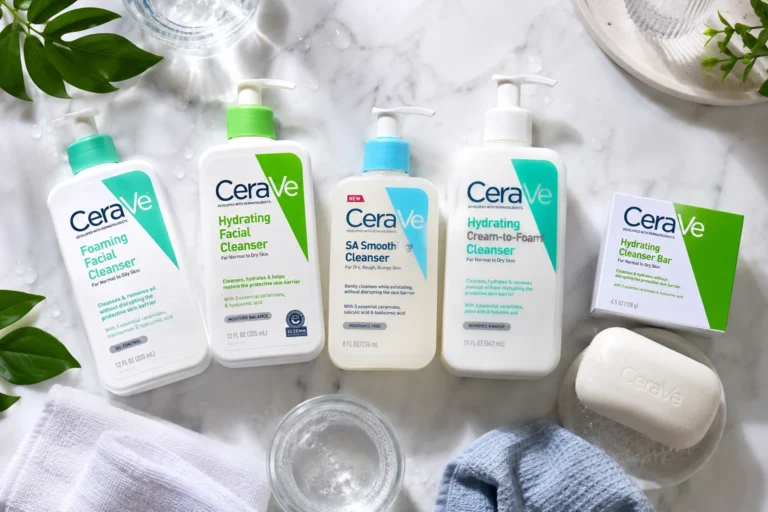
5 Daily Skin Care Routine Simple Steps for Perfect Skin
Introduction
Achieving clear and radiant skin is not about using dozens of expensive products or following complicated beauty trends that constantly change. The real secret behind healthy skin is consistency, simplicity, and understanding what your skin truly needs on a daily basis. Many people struggle with acne, dullness, dryness, or uneven skin tone because they either skip essential steps or use products incorrectly without realizing the long-term effects on their skin.
A proper daily skincare routine acts as a foundation for maintaining skin health, preventing premature aging, and improving overall appearance over time. When you follow a structured routine, your skin becomes more balanced, hydrated, and resilient against environmental damage such as pollution and sun exposure. This not only improves how your skin looks but also how it feels.
In this guide, we will walk through a simple yet highly effective 5-step skincare routine that works for all skin types. Each step plays a crucial role, and when combined together, they create a powerful system that supports healthy, glowing skin. Whether you are a beginner or someone looking to improve your current routine, these steps will help you build a skincare habit that delivers real results.
1. Cleansing: The Foundation of Healthy Skin
Cleansing is the first and most essential step in any skincare routine because it removes the dirt, oil, sweat, and environmental pollutants that accumulate on your skin throughout the day. Without proper cleansing, these impurities can clog pores, leading to breakouts, blackheads, and a dull complexion that lacks freshness and glow. A clean base allows your skin to breathe and absorb the products applied afterward more effectively.
Using the right cleanser for your skin type is equally important because harsh cleansers can strip away natural oils, causing dryness and irritation, while overly gentle cleansers may not remove excess oil and debris properly. For oily skin, gel or foaming cleansers work best to control sebum production, whereas dry skin benefits from cream-based cleansers that provide hydration while cleansing.
The technique you use while cleansing also plays a significant role in maintaining skin health. Instead of scrubbing aggressively, which can damage the skin barrier, you should gently massage the cleanser into your skin using circular motions. This helps stimulate blood circulation and ensures that all impurities are removed without causing irritation or redness.
It is recommended to cleanse your face twice a day—once in the morning to remove overnight oil buildup and once at night to eliminate dirt and makeup. Skipping nighttime cleansing is one of the most common mistakes people make, and it can lead to long-term skin issues if not corrected.
Water temperature is another factor that many people overlook during cleansing. Using hot water can strip the skin of its natural oils, leaving it dry and sensitive, while cold water may not effectively remove oil and dirt. Lukewarm water is ideal as it cleanses gently without causing harm.
Consistency in cleansing helps maintain clear pores and prevents acne formation. Over time, you will notice that your skin appears brighter, smoother, and more refreshed when you follow this step regularly.
Additionally, double cleansing can be beneficial, especially if you wear makeup or sunscreen daily. This involves using an oil-based cleanser first to break down makeup and then a water-based cleanser to remove residue.
Choosing a cleanser with beneficial ingredients like salicylic acid for acne-prone skin or ceramides for dry skin can enhance your results significantly. These ingredients target specific concerns while maintaining overall skin health.
Avoid over-cleansing, as washing your face more than twice a day can disrupt your skin barrier and cause excessive dryness or oil production. Balance is key to maintaining healthy skin.
Ultimately, cleansing sets the stage for the rest of your skincare routine, making it a non-negotiable step that should never be skipped.

2. Toning: Balance and Refresh Your Skin
Toning is often misunderstood or skipped, but it plays a vital role in restoring your skin’s natural balance after cleansing. When you wash your face, your skin’s pH level can become slightly disrupted, and toner helps bring it back to its optimal state, ensuring that your skin remains healthy and ready to absorb other products effectively.
Modern toners are designed to do much more than just remove leftover impurities. They are now formulated with hydrating, soothing, and antioxidant-rich ingredients that help nourish the skin while providing additional benefits such as minimizing pores and improving texture.
Using a toner can instantly refresh your skin, making it feel clean and revitalized. This is especially beneficial during hot weather or after long hours of exposure to pollution, as it helps remove any remaining dirt that cleansing might have missed.
Application methods for toner have evolved over time, and while cotton pads are commonly used, applying toner with your hands can be more effective. This method reduces product waste and allows better absorption into the skin.
Ingredients in toners play a crucial role in determining their effectiveness. For example, rose water provides soothing properties, hyaluronic acid offers deep hydration, and niacinamide helps control oil production and brighten the skin.
Alcohol-free toners are recommended because alcohol-based formulas can be too harsh and drying, especially for sensitive or dry skin types. Gentle formulations ensure that your skin remains balanced without irritation.
Regular use of toner can help refine the appearance of pores, giving your skin a smoother and more even texture over time. This creates a better surface for makeup application as well.
Toners also act as a primer for the next steps in your routine by enhancing the absorption of serums and moisturizers. When your skin is slightly damp from toner, it can better retain moisture and active ingredients.
People with oily skin can benefit from toners that contain ingredients like witch hazel or green tea extract, which help control excess oil and prevent breakouts.
Incorporating toner into your daily routine may seem like a small step, but it significantly improves the overall effectiveness of your skincare regimen.

3. Applying Serum: Target Skin Concerns
Serums are one of the most powerful components of a skincare routine because they contain concentrated active ingredients designed to target specific skin concerns. Unlike moisturizers, which primarily focus on hydration, serums penetrate deeper into the skin to deliver noticeable results over time.
The lightweight texture of serums allows them to absorb quickly, making them ideal for layering under other products. This ensures that your skin receives the maximum benefit from their active ingredients without feeling heavy or greasy.
Vitamin C serums are particularly popular for their ability to brighten the skin and reduce dark spots. They also protect the skin from environmental damage caused by free radicals, making them an excellent choice for morning routines.
Hyaluronic acid serums are known for their incredible hydrating properties. They attract moisture to the skin, making it appear plumper, smoother, and more youthful.
Niacinamide is another key ingredient found in many serums, known for its ability to regulate oil production, reduce redness, and improve overall skin texture.
For those concerned with aging, retinol serums can help boost collagen production and reduce the appearance of fine lines and wrinkles. However, they should be used at night and introduced gradually to avoid irritation.
Applying serum correctly is essential for achieving the best results. A few drops are sufficient, and it should be gently pressed into the skin rather than rubbed harshly.
Consistency is crucial when using serums, as results often take time to become visible. Regular use can lead to significant improvements in skin tone, texture, and overall health.
Layering multiple serums can be effective, but it is important to ensure that the ingredients are compatible to avoid irritation or reduced effectiveness.
Ultimately, serums allow you to customize your skincare routine based on your unique needs, making them a valuable addition to any regimen.

4. Moisturizing: Lock in Hydration
Moisturizing is essential for maintaining the skin’s hydration levels and protecting its natural barrier. Regardless of your skin type, using a moisturizer daily helps prevent dryness, irritation, and premature aging.
A well-hydrated skin barrier is more resilient and better equipped to defend against environmental stressors such as pollution and harsh weather conditions. This makes moisturizing a critical step in achieving long-term skin health.
Different skin types require different types of moisturizers. Lightweight gel-based formulas are ideal for oily skin, while richer cream-based products are better suited for dry skin.
Moisturizers work by sealing in hydration and preventing water loss from the skin. This helps keep the skin soft, smooth, and supple throughout the day.
Applying moisturizer on slightly damp skin enhances its effectiveness, as it helps lock in the moisture already present on the skin’s surface.
Ingredients like ceramides, glycerin, and shea butter are commonly found in moisturizers and provide various benefits, from hydration to barrier repair.
Regular use of moisturizer can improve skin elasticity, making it appear firmer and more youthful over time.
Even people with acne-prone skin should not skip this step, as dehydration can actually trigger increased oil production and worsen breakouts.
Using the right amount of moisturizer is important—too little may not provide enough hydration, while too much can feel heavy and clog pores.
Incorporating a suitable moisturizer into your routine ensures that your skin remains balanced, healthy, and glowing.

5. Sunscreen: The Most Important Step
Sunscreen is arguably the most important step in any skincare routine because it protects your skin from harmful ultraviolet (UV) rays that cause premature aging, dark spots, and even skin cancer. No matter how good your skincare routine is, skipping sunscreen can undo all your progress.
Daily exposure to sunlight, even for short periods, can lead to cumulative damage over time. This makes sunscreen an essential part of both morning routines and overall skin protection strategies.
Using a broad-spectrum sunscreen ensures protection against both UVA and UVB rays, which are responsible for aging and burning, respectively.
An SPF of at least 30 is recommended for everyday use, while higher SPF levels provide additional protection for extended outdoor exposure.
Applying sunscreen correctly is just as important as choosing the right product. It should be applied generously and evenly to all exposed areas of the skin.
Reapplication is necessary every two to three hours, especially if you are sweating or spending time outdoors. This ensures continuous protection throughout the day.
Modern sunscreens are available in various formulations, including lightweight gels, creams, and sprays, making it easier to find one that suits your skin type.
Many people skip sunscreen on cloudy days, but UV rays can penetrate clouds, making daily application essential regardless of the weather.
Incorporating sunscreen into your routine not only protects your skin but also helps maintain an even skin tone and prevent hyperpigmentation.
Consistent use of sunscreen is one of the most effective ways to preserve youthful, healthy skin for years to come.

Final Thoughts
A simple and consistent skincare routine can transform your skin over time. By following these five essential steps daily, you create a strong foundation for healthy, glowing skin that lasts.