20 Silky Hair Tips Smooth Shiny & Healthy Hair
Introduction
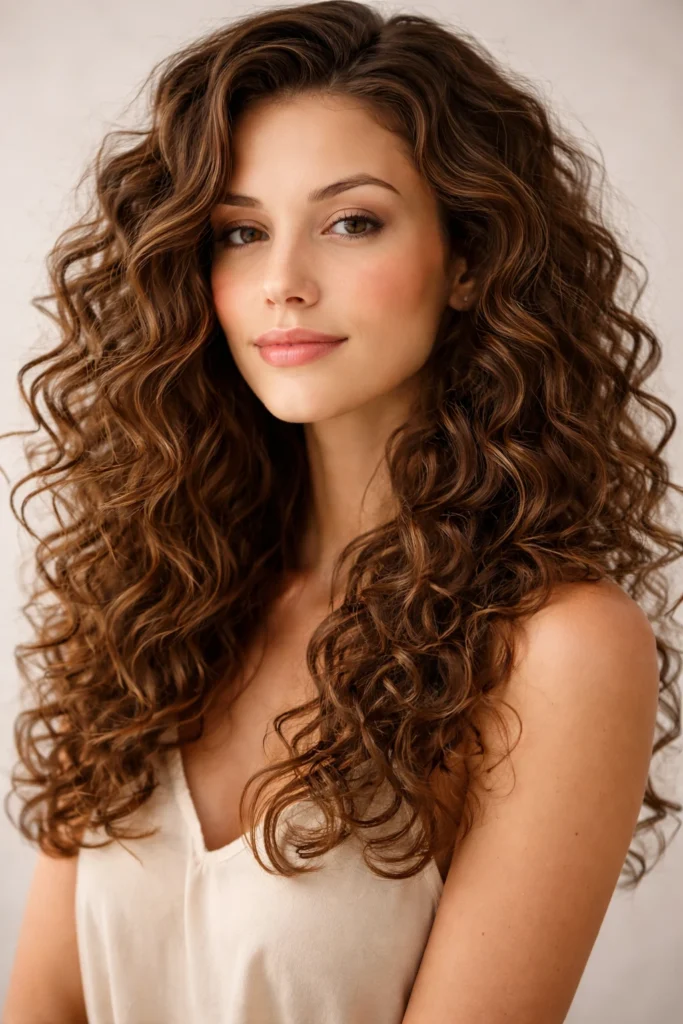
Silky hair is often seen as a symbol of beauty, confidence, and good health. Many people struggle with dryness, frizz, split ends, and dullness, which can make hair look lifeless and difficult to manage. The truth is that achieving silky hair is not about expensive salon treatments alone but about building the right habits and maintaining consistency. Hair becomes smooth and shiny when the cuticle layer is healthy and lies flat, reflecting light evenly. However, factors like pollution, heat styling, poor diet, and harsh products can damage this layer over time. Understanding how to care for your hair properly can make a significant difference in its texture and appearance. This guide provides 20 practical and effective tips that target hair health from root to tip. Each tip focuses on improving moisture, reducing damage, and enhancing natural shine. Whether your hair is straight, wavy, or curly, these methods can help you achieve a silky finish. By following these steps regularly, you can gradually transform your hair into smoother, healthier strands.
1. Choose the Right Shampoo
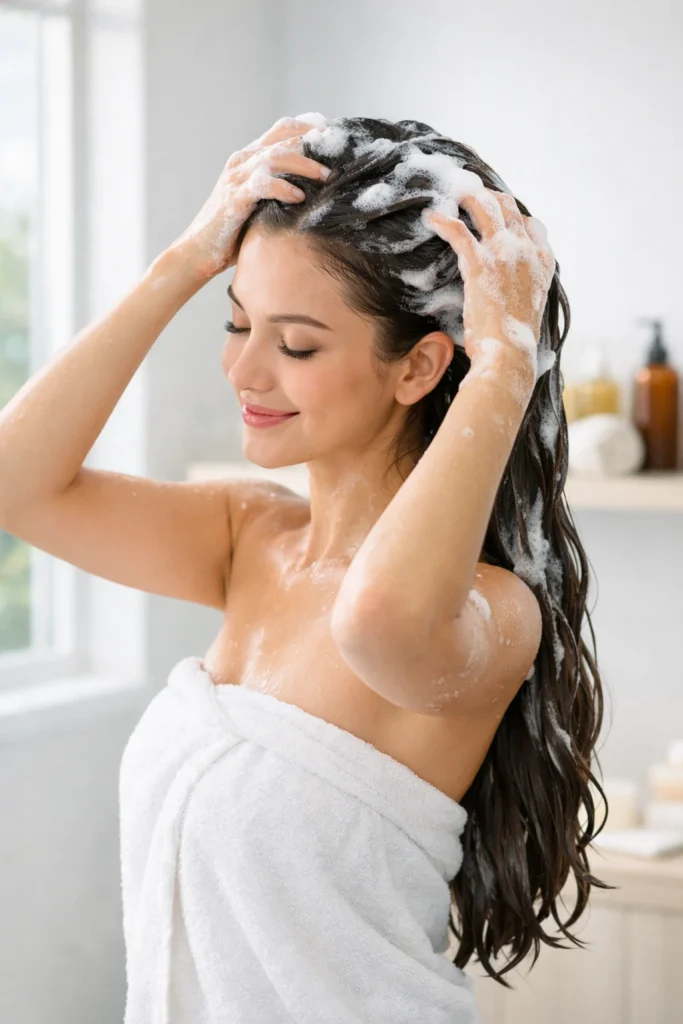
Choosing the right shampoo is the foundation of achieving silky hair because it directly affects the scalp and hair health. Many shampoos contain harsh sulfates that strip away natural oils, leaving hair dry and rough over time. A gentle, sulfate-free shampoo helps maintain moisture balance while cleansing dirt and buildup effectively. Ingredients like argan oil, aloe vera, and keratin can nourish the hair and improve its texture. It is also important to select a shampoo that suits your hair type, whether it is oily, dry, or normal. Washing your hair too frequently can remove essential oils, so limiting washes to a few times a week is beneficial. Using lukewarm water instead of hot water also helps prevent dryness. Massaging the scalp gently while shampooing improves blood circulation and promotes healthy hair growth. Rinsing thoroughly ensures no residue is left behind, which could weigh down the hair. Over time, the right shampoo routine can make your hair softer and more manageable. Consistency in using suitable products plays a key role in achieving silky hair.
2. Always Use Conditioner
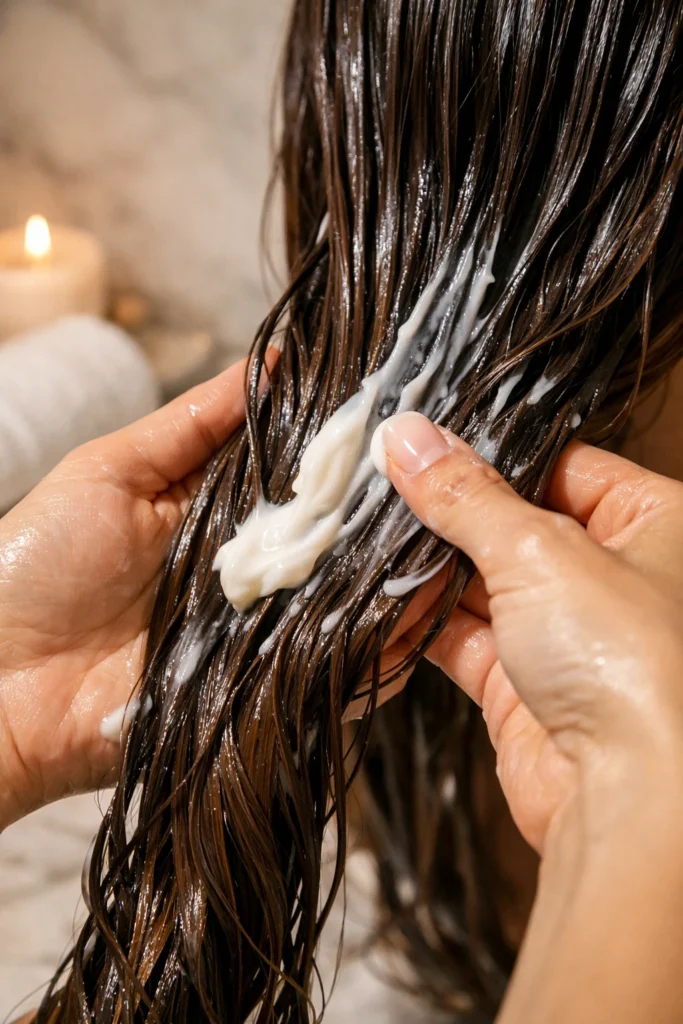
Conditioner is essential for smoothing the hair cuticle and locking in moisture after shampooing. It helps reduce tangles, making hair easier to manage and less prone to breakage. Applying conditioner mainly to the mid-lengths and ends prevents the scalp from becoming greasy. Ingredients like shea butter and natural oils provide deep hydration and improve softness. Leaving the conditioner on for a few minutes allows it to penetrate the hair shaft effectively. Regular use can significantly reduce frizz and improve shine. It also acts as a protective layer against environmental damage. For best results, choose a conditioner that complements your shampoo and suits your hair needs. Rinsing with cool water after conditioning helps seal the cuticles and enhances smoothness. Skipping conditioner can lead to dry and rough hair, so it should never be ignored. With consistent use, conditioner transforms dull hair into silky and healthy strands.
3. Apply Hair Oil Regularly
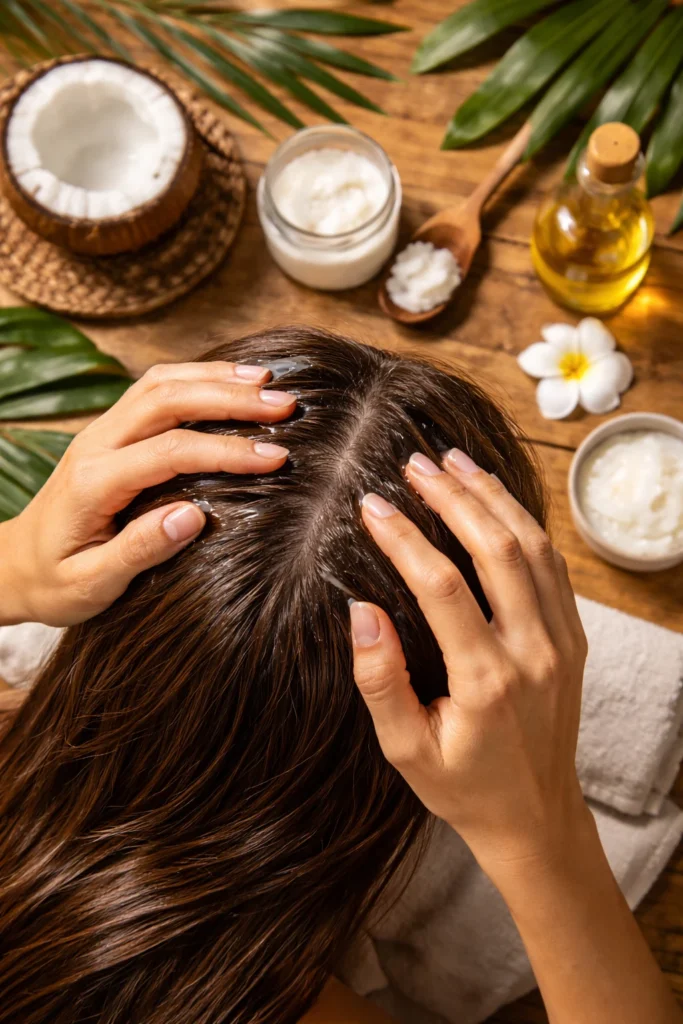
Hair oiling is a traditional yet highly effective method for achieving silky hair. Natural oils like coconut, almond, and olive oil deeply nourish the scalp and hair strands. Regular oiling helps improve blood circulation, which supports hair growth and strength. It also prevents dryness by locking in moisture and reducing protein loss. Massaging the scalp with oil relaxes the mind while improving hair texture. Leaving the oil on for a few hours or overnight allows better absorption. Washing it out with a mild shampoo ensures the hair remains clean and soft. Oil treatments also protect hair from environmental damage and heat styling. Over time, hair becomes smoother, shinier, and more manageable. This simple routine can make a noticeable difference in overall hair health. Incorporating oiling into your weekly routine is a powerful step toward silky hair.
4. Use Cold Water for Final Rinse
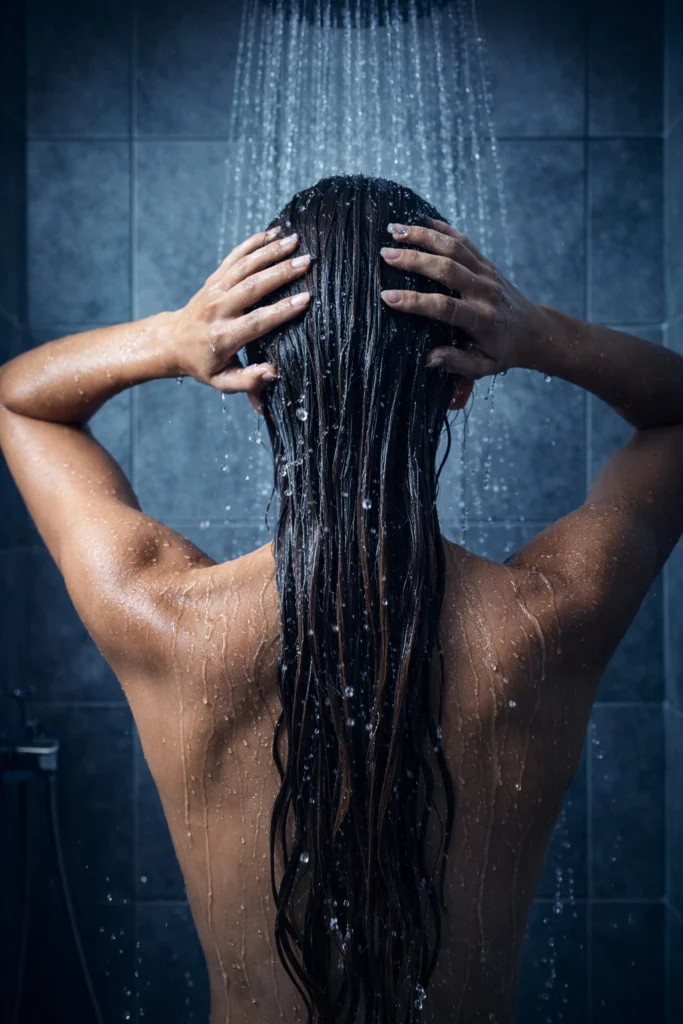
Rinsing your hair with cold water at the end of your wash can enhance shine and smoothness. Cold water helps close the hair cuticles, allowing light to reflect more evenly. This simple step reduces frizz and improves the overall texture of the hair. While hot water can strip moisture, a cool rinse helps retain natural oils. It also makes hair feel softer and more manageable. Incorporating this habit into your routine requires minimal effort but offers noticeable results. The sudden temperature change may feel uncomfortable initially but becomes easier with time. Consistency is key to seeing long-term benefits. Cold water rinses also help maintain scalp health by preventing dryness. Over time, this practice contributes to healthier and silkier hair. It is one of the easiest ways to improve your hair care routine.
5. Avoid Excessive Heat Styling
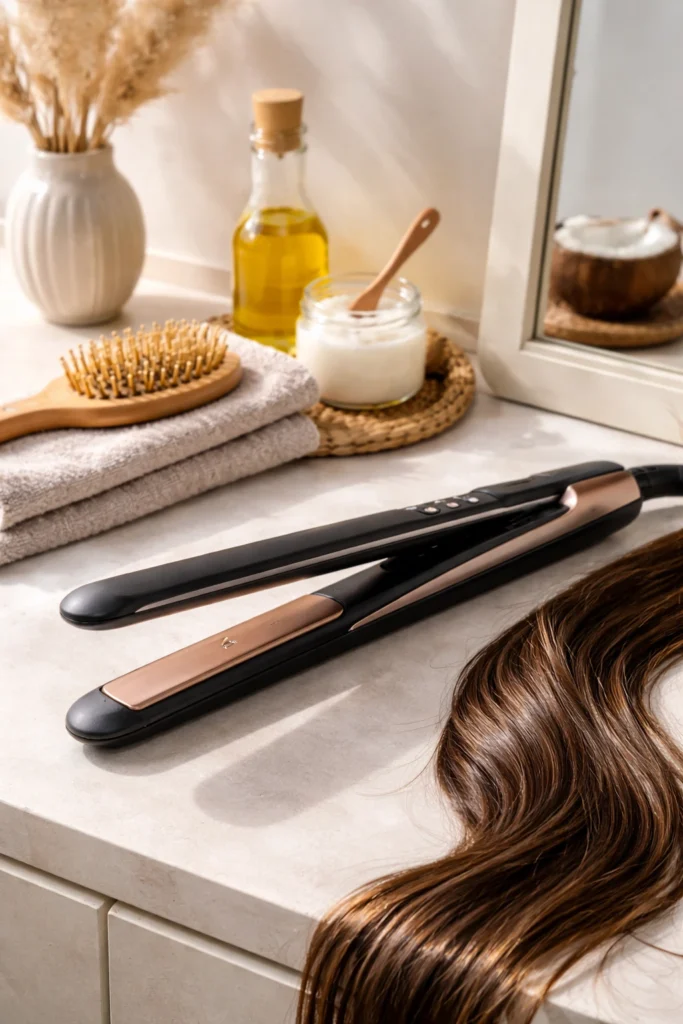
Heat styling tools like straighteners and curling irons can damage hair when used frequently. High temperatures weaken the hair structure, leading to dryness and breakage. Reducing heat usage helps maintain the natural strength and shine of your hair. When styling is necessary, using a heat protectant can minimize damage. Choosing lower heat settings also reduces the risk of harm. Air-drying your hair whenever possible is a healthier alternative. Limiting heat styling to special occasions helps preserve hair health. Over time, less exposure to heat leads to smoother and stronger hair. Damaged hair often appears rough and dull, so avoiding heat is crucial for silky results. Making small changes in styling habits can have a big impact. Healthy hair naturally looks shinier and more vibrant.
6. Trim Hair Regularly
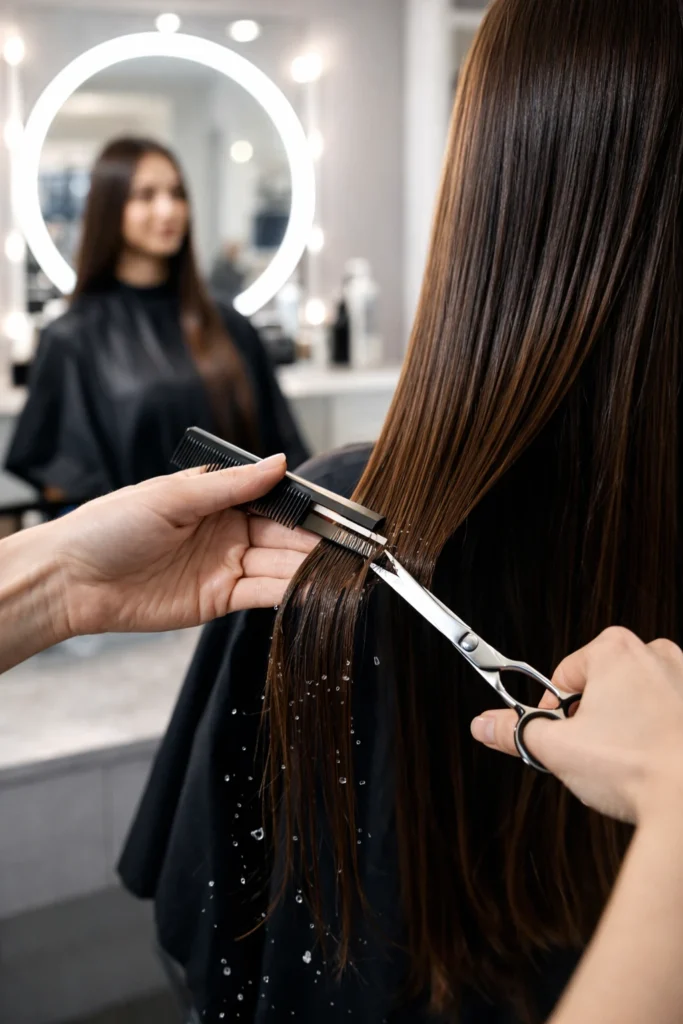
Regular trims are important for maintaining smooth and healthy hair. Split ends can travel up the hair shaft and cause further damage if not removed. Trimming every few weeks helps keep hair looking fresh and polished. It also improves the overall appearance of hair by eliminating rough ends. Healthy ends contribute to a smoother texture and better manageability. Many people avoid trimming to grow longer hair, but it actually supports healthier growth. Removing damaged parts allows hair to grow stronger. It also reduces tangles and breakage. Visiting a professional stylist ensures even trimming and better results. Over time, regular trims lead to shinier and silkier hair. This simple habit is essential for maintaining long-term hair health.
7. Eat a Hair-Healthy Diet
Your diet plays a crucial role in the health and appearance of your hair. Nutrients like protein, vitamins, and minerals support strong and shiny hair. Foods rich in omega-3 fatty acids help maintain moisture and elasticity. Iron and biotin are essential for preventing hair thinning and promoting growth. Drinking enough water keeps hair hydrated from within. A balanced diet improves not only hair but overall well-being. Including fresh fruits, vegetables, and nuts provides essential nutrients. Poor nutrition can lead to dull and weak hair over time. Consistency in healthy eating habits shows visible results. Hair reflects the health of your body, so nourishing it properly is important. A good diet is the foundation of silky and healthy hair.

8. Use a Microfiber Towel
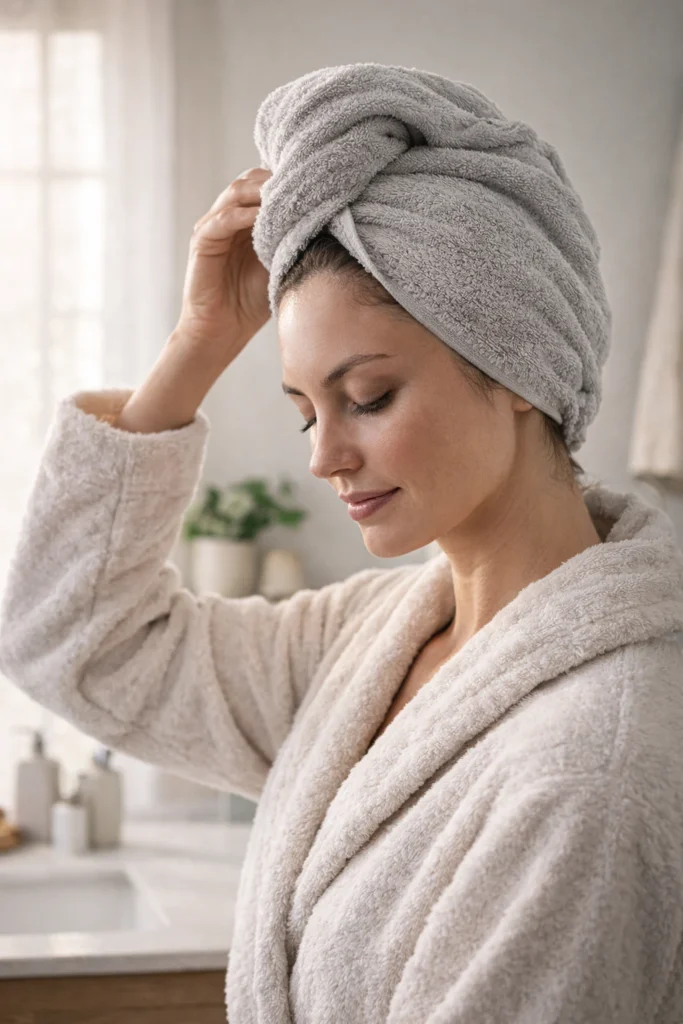
Drying your hair with a microfiber towel can reduce frizz and breakage. Traditional towels create friction that damages the hair cuticle. Microfiber material absorbs water gently without rough handling. This helps maintain the smoothness and strength of hair strands. Patting your hair dry instead of rubbing prevents unnecessary stress. It also reduces the risk of split ends. Switching to a softer towel is a simple yet effective change. Over time, it contributes to healthier and shinier hair. Small adjustments in daily habits can make a big difference. Protecting hair during drying is just as important as washing. This method supports the journey toward silky hair.
9. Apply Hair Masks Weekly
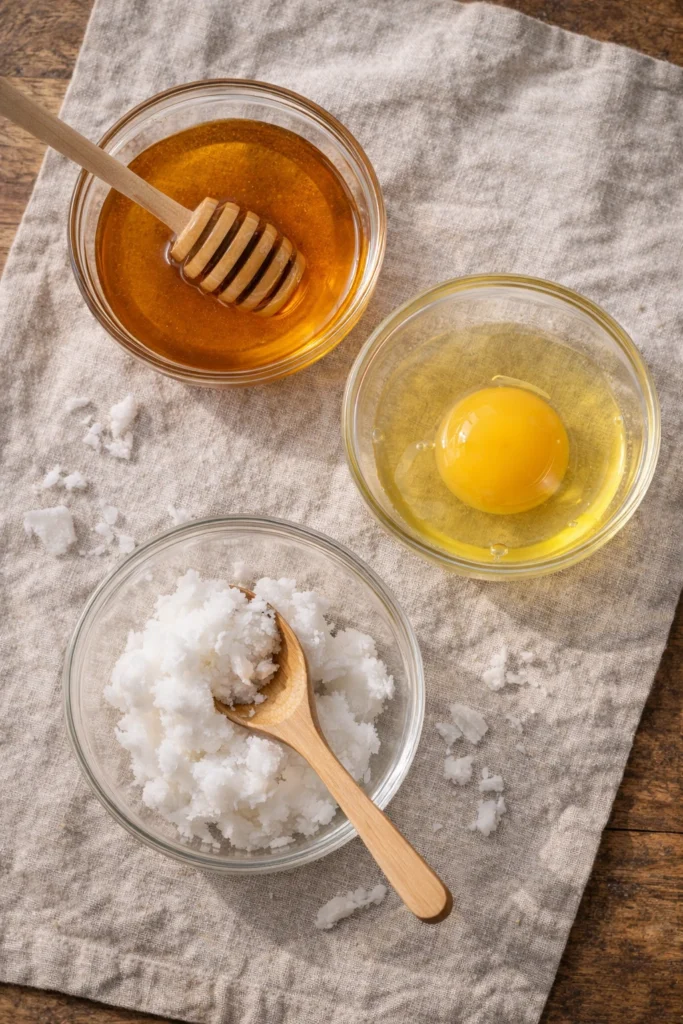
Hair masks provide deep conditioning and repair damage effectively. They nourish the hair with essential nutrients and restore moisture. Using a mask once a week can improve softness and shine. Natural ingredients like honey and coconut oil are highly beneficial. Leaving the mask on for a sufficient time allows it to penetrate deeply. Regular use helps repair damaged hair and reduce frizz. It also strengthens hair strands and improves elasticity. Hair masks are especially useful for dry and chemically treated hair. Consistency is key to achieving noticeable results. Over time, hair becomes smoother and healthier. Including masks in your routine enhances overall hair care.
10. Sleep on a Silk Pillowcase
Sleeping on a silk pillowcase can reduce friction and prevent hair damage. Cotton pillowcases absorb moisture and cause tangles. Silk allows hair to glide smoothly, reducing breakage. It helps maintain moisture levels overnight. This simple change can improve hair texture significantly. You may notice fewer tangles and smoother hair in the morning. Silk pillowcases also benefit skin by reducing irritation. Investing in quality bedding supports overall beauty care. Over time, this habit contributes to healthier hair. Small lifestyle changes can lead to noticeable improvements. Silk pillowcases are a simple step toward silky hair.

11. Avoid Over-Brushing
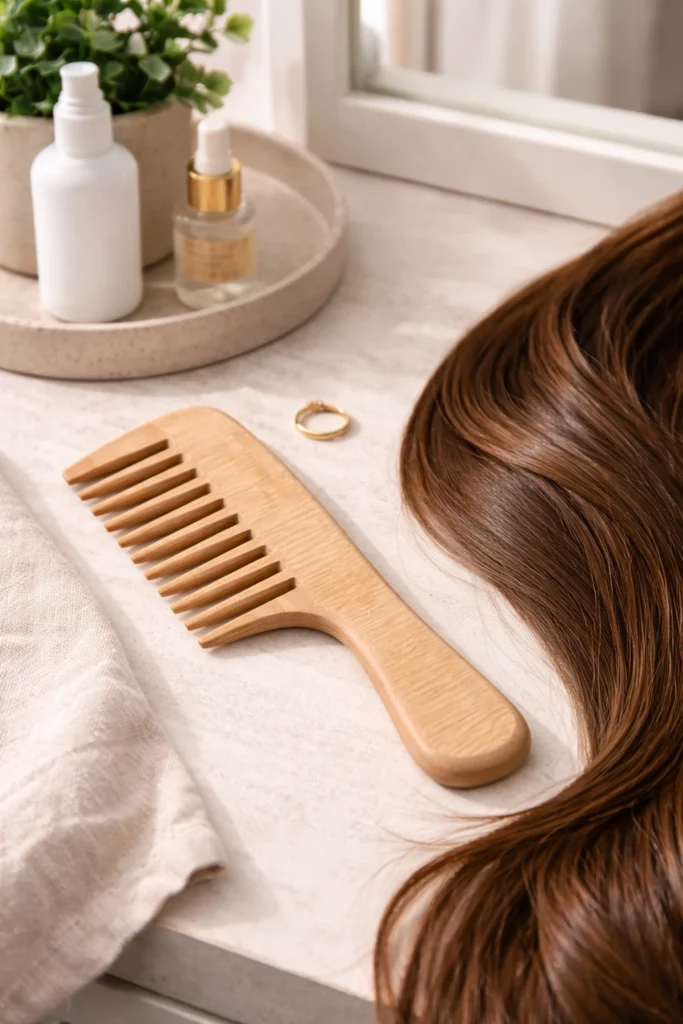
Brushing your hair too often can cause unnecessary damage. Excessive brushing weakens hair strands and leads to breakage. Using a wide-tooth comb is gentler, especially on wet hair. Detangling carefully prevents stress on the hair. Brushing should be done only when needed. Gentle strokes help maintain hair strength and smoothness. Over time, reducing brushing improves hair health. Choosing the right tools also makes a difference. Avoiding harsh handling is essential for silky hair. Proper brushing habits keep hair manageable. This simple change supports healthier and stronger hair.
12. Protect Hair from Sun Damage
Sun exposure can dry out hair and cause damage. UV rays weaken hair structure and reduce shine. Wearing a hat or scarf protects hair from direct sunlight. Using hair products with UV protection adds an extra layer of defense. Limiting exposure during peak sunlight hours is also helpful. Hydrating hair regularly prevents dryness. Sun protection is often overlooked but very important. Healthy hair requires protection from environmental factors. Over time, these precautions maintain smoothness and strength. Preventing damage is easier than repairing it. Protecting your hair helps maintain its silky texture.

13. Use Leave-In Conditioner
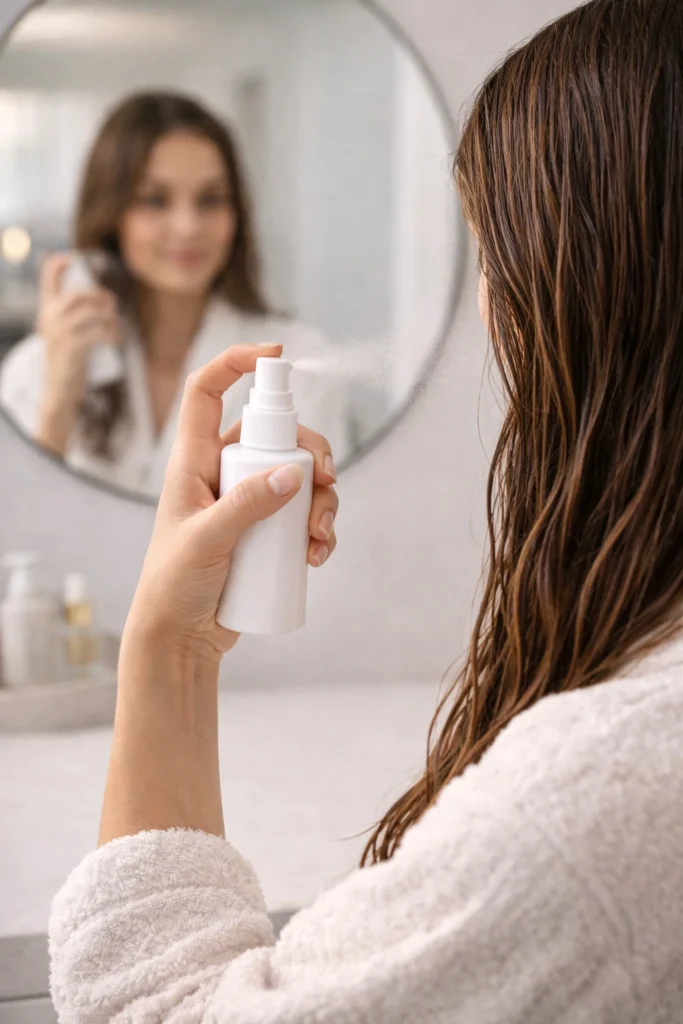
Leave-in conditioners provide continuous hydration throughout the day. They help control frizz and improve manageability. Applying a small amount to damp hair works best. These products protect hair from environmental stress. They also enhance shine and softness. Leave-in conditioners are especially useful for dry and curly hair. Regular use improves overall hair texture. Choosing lightweight formulas prevents buildup. This step adds an extra layer of care to your routine. Over time, hair becomes smoother and easier to style. Leave-in products are a great addition to silky hair care.
14. Reduce Chemical Treatments
Chemical treatments can weaken hair and cause damage. Frequent coloring or perming affects hair structure. Reducing these treatments helps maintain natural strength. Choosing gentler alternatives minimizes harm. Allowing time between treatments supports recovery. Healthy hair looks smoother and shinier. Avoiding harsh chemicals preserves moisture. Repair treatments can help restore damaged hair. Being mindful of chemical use is important. Over time, reducing treatments improves hair health. Natural hair care methods are often more effective.
15. Massage Your Scalp
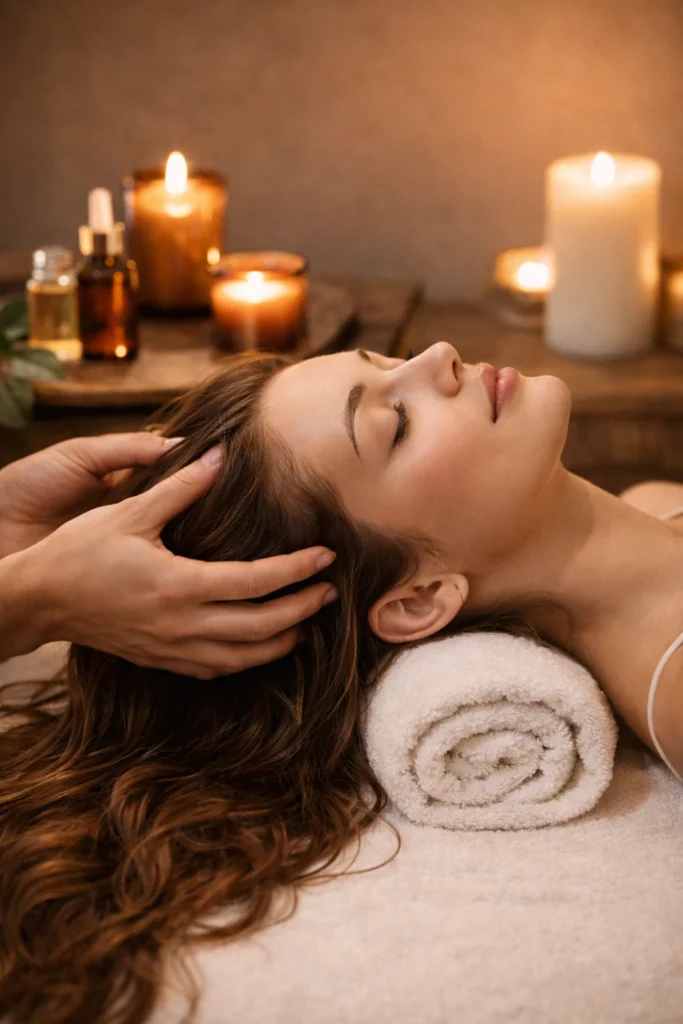
Scalp massage improves blood circulation and supports hair growth. It helps distribute natural oils evenly. Regular massage relaxes the mind and reduces stress. Using oil during massage enhances benefits. Gentle movements prevent damage to hair roots. This practice strengthens hair and improves texture. Consistency leads to noticeable results. It is a simple addition to your routine. Healthy scalp leads to healthy hair. Over time, hair becomes stronger and shinier. Scalp care is essential for silky hair.
16. Use Natural Hair Rinses
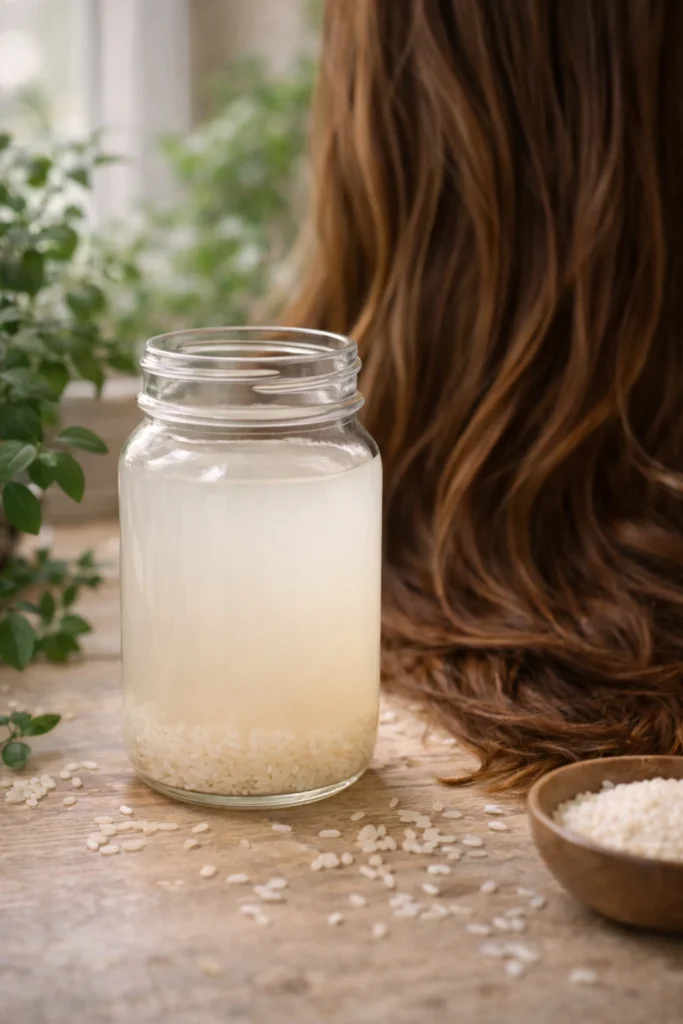
Natural rinses like rice water and herbal infusions improve hair health. They strengthen hair and enhance shine. These methods are free from harsh chemicals. Regular use improves texture and smoothness. Natural ingredients nourish hair deeply. They also balance scalp health. Preparing rinses at home is simple and cost-effective. Over time, hair becomes softer and stronger. These treatments complement your routine. Natural care methods are gentle and effective. They support long-term hair health.
17. Avoid Tight Hairstyles
Tight hairstyles can cause stress on hair roots. They lead to breakage and hair loss over time. Choosing loose styles reduces tension. It allows hair to remain healthy and strong. Avoiding tight bands prevents damage. Gentle styling protects hair structure. Comfort is also important in hairstyles. Over time, reducing tension improves hair health. Loose styles look natural and elegant. Protecting roots is essential for growth. This habit supports silky and strong hair.

18. Manage Stress Levels
Stress can negatively affect hair health. It may lead to hair fall and dullness. Managing stress improves overall well-being. Activities like meditation and exercise help relaxation. A balanced lifestyle supports healthy hair. Mental health is connected to physical health. Reducing stress promotes stronger hair growth. Consistency in self-care is important. Over time, hair becomes healthier and shinier. Taking care of yourself reflects in your appearance. Stress management is key to silky hair.

19. Choose the Right Hair Products
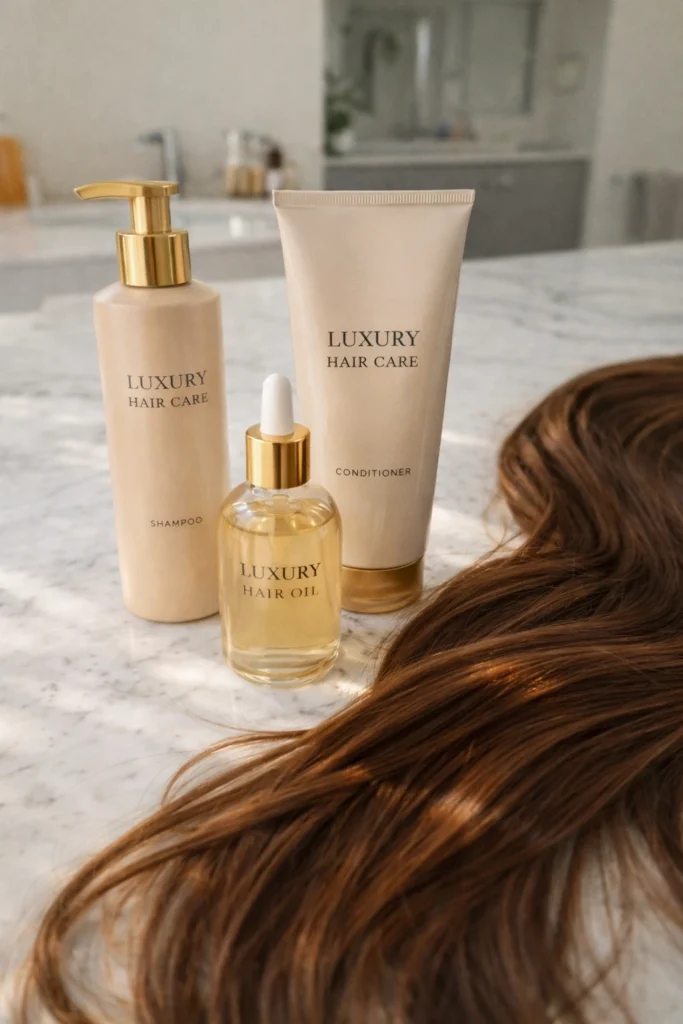
Using the right hair products is essential for maintaining smoothness. Avoiding harsh chemicals protects hair from damage. Choosing nourishing formulas improves texture. Products with natural ingredients are beneficial. Reading labels helps make better choices. Consistency in product use shows results. Good products support hair health. Over time, hair becomes softer and shinier. Investing in quality products is worthwhile. Proper care leads to silky hair. Choosing wisely makes a difference.
20. Be Consistent with Hair Care
Consistency is the most important factor in achieving silky hair. Following a regular routine ensures long-term results. Small daily habits make a big difference over time. Patience is required to see improvement. Healthy hair care is a continuous process. Skipping steps can affect progress. Building a routine helps maintain results. Over time, hair becomes naturally smooth and shiny. Consistency leads to lasting change. Dedication is key to success. Silky hair is the result of regular care and effort.

Conclusion
Achieving silky hair is not about quick fixes but about consistent care and healthy habits. By following these 20 tips, you can improve your hair’s texture, strength, and shine over time. Each step contributes to overall hair health, from choosing the right products to maintaining a balanced lifestyle. Protecting your hair from damage and nourishing it properly are essential. With patience and dedication, you can achieve smooth, shiny, and beautiful hair naturally.