5 Coffee Brewing Methods for Better Flavor
Introduction
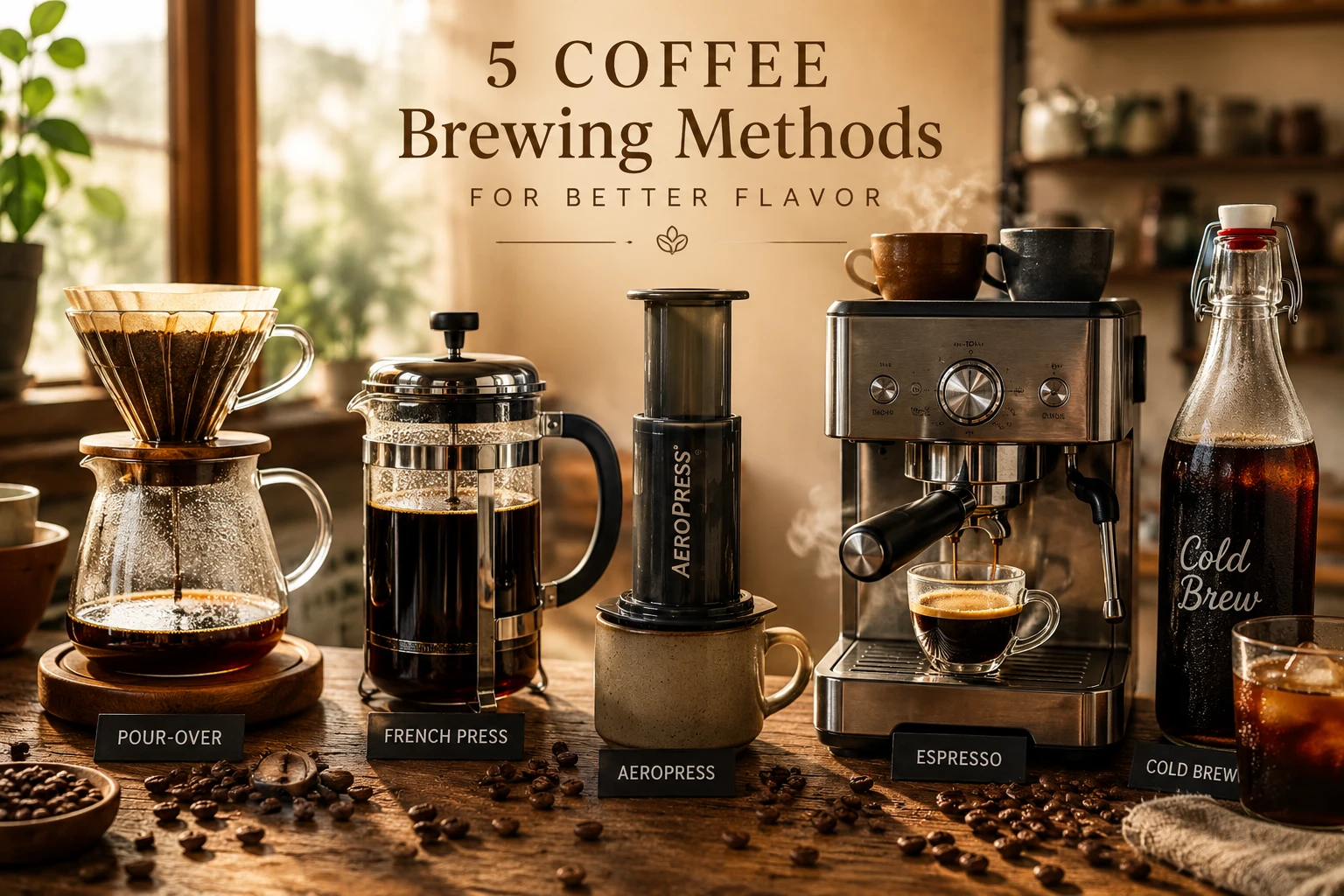
Coffee is much more than a simple morning beverage. For many people, it is a daily ritual that provides comfort, energy, and enjoyment. While selecting high-quality coffee beans is important, the brewing method you choose has a major impact on the final flavor in your cup. Different brewing techniques extract flavors in unique ways, creating variations in sweetness, acidity, body, and aroma. Understanding these differences can help you enjoy a richer and more satisfying coffee experience every day.
Many coffee enthusiasts spend significant amounts of money on premium coffee beans but overlook the importance of brewing methods. Even the finest coffee can taste flat or bitter if brewed incorrectly. Factors such as grind size, water temperature, brewing time, and filtration all influence extraction. By learning how different brewing methods work, you can maximize the flavor potential of your favorite beans and consistently prepare delicious coffee at home.
Whether you enjoy bright and fruity flavors or rich and bold coffee, there is a brewing method that suits your preferences. From the precision of pour-over coffee to the smooth taste of cold brew, each technique offers a unique drinking experience. In this guide, we will explore five popular coffee brewing methods that can significantly improve flavor and help you create café-quality coffee in your own kitchen.
Why Coffee Brewing Methods Matter
The brewing process determines how water extracts compounds from coffee grounds. Coffee contains hundreds of flavor compounds that contribute to its overall taste profile. Some compounds create sweetness and pleasant aromas, while others contribute bitterness and acidity. The brewing method controls which compounds are extracted and in what quantity, ultimately affecting the final flavor.
Different brewing methods use varying levels of pressure, filtration, and brewing time. For example, espresso uses high pressure to create a concentrated coffee with intense flavor, while cold brew relies on a slow extraction process that reduces acidity and bitterness. These differences explain why the same coffee beans can taste completely different when prepared using different methods.
Understanding brewing methods allows coffee lovers to customize their coffee experience. Instead of relying on chance, you can intentionally select a brewing technique that enhances your preferred flavor characteristics. This knowledge not only improves taste but also helps you appreciate the complexity and craftsmanship behind every cup of coffee.
1. Pour-Over Coffee
What Is Pour-Over Coffee?
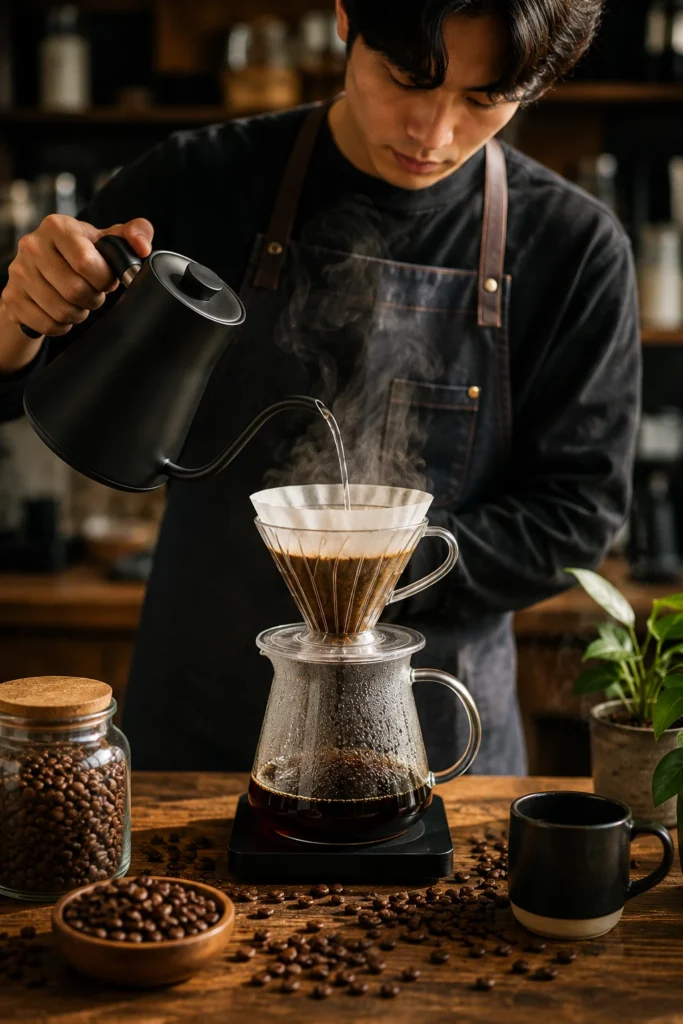
Pour-over coffee is a manual brewing method where hot water is slowly poured over coffee grounds contained in a filter. The water passes through the grounds and filter before collecting in a cup or carafe below. Popular pour-over devices include the V60, Chemex, and Kalita Wave. This method is highly respected among specialty coffee enthusiasts because it provides precise control over the brewing process.
The manual nature of pour-over brewing allows coffee drinkers to adjust variables such as water flow rate, pouring technique, and extraction time. These adjustments make it possible to highlight specific flavor notes within the coffee. Although it requires more attention than automatic coffee makers, many coffee lovers believe the improved flavor is worth the extra effort.
Flavor Profile
Pour-over coffee is known for producing a clean, crisp, and flavorful cup. Paper filters remove oils and fine particles, allowing delicate tasting notes to shine through. This brewing method often emphasizes fruity, floral, and citrus characteristics found in high-quality specialty coffee beans.
Because the extraction process is carefully controlled, pour-over coffee offers excellent clarity and balance. Drinkers can easily distinguish subtle flavor notes that might be hidden in other brewing methods. This makes pour-over coffee particularly popular among those who appreciate nuanced and complex coffee profiles.
Advantages of Pour-Over Coffee
One of the biggest advantages of pour-over coffee is flavor clarity. The filtration process creates a clean cup with minimal sediment, allowing the natural characteristics of the beans to stand out. Coffee enthusiasts often choose this method when brewing single-origin coffees because it showcases unique regional flavor profiles.
Another advantage is control. The brewer can adjust nearly every aspect of the process, including water temperature, pouring speed, and brew time. This flexibility allows experimentation and fine-tuning to achieve the perfect cup. While it requires practice, the results can be exceptional when done correctly.
2. French Press Coffee
What Is a French Press?
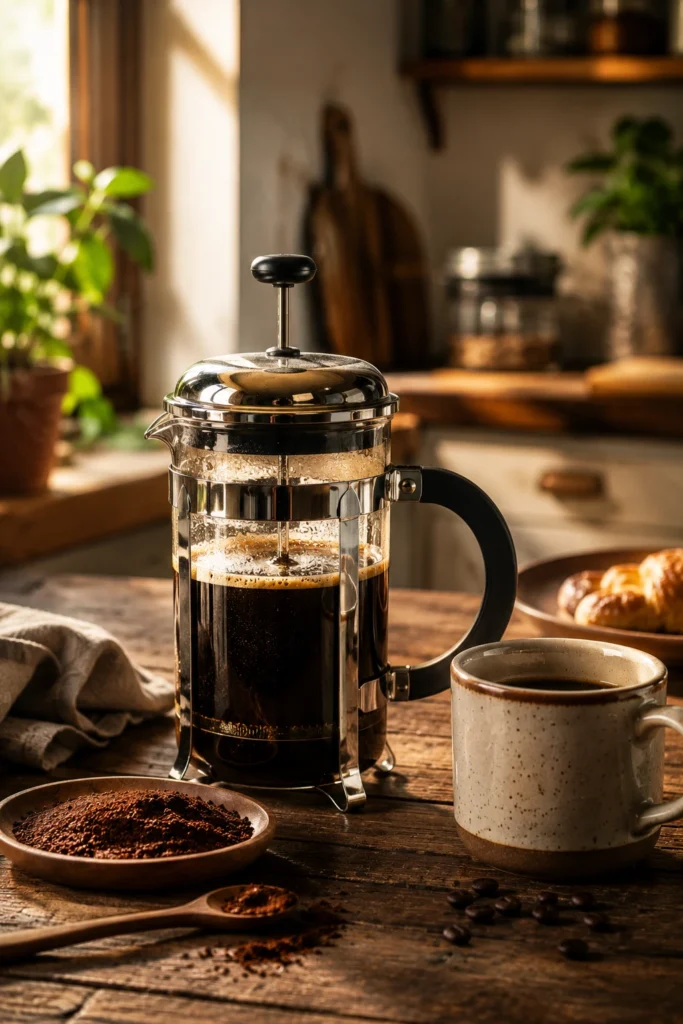
The French press is one of the oldest and simplest coffee brewing methods. It consists of a cylindrical container and a metal mesh plunger that separates coffee grounds from the liquid after brewing. Unlike paper-filtered methods, the French press allows natural oils and fine particles to remain in the coffee, creating a richer and fuller-bodied beverage.
This brewing method is appreciated for its simplicity and affordability. It requires no electricity or complicated equipment, making it accessible for beginners and experienced coffee drinkers alike. Despite its simplicity, the French press can produce remarkably flavorful coffee when used properly.
Flavor Profile
French press coffee is characterized by its bold flavor and heavy body. Because the metal filter does not remove coffee oils, the resulting beverage has a rich texture and enhanced mouthfeel. Many coffee lovers describe French press coffee as robust, smooth, and satisfying.
The extended contact between water and coffee grounds extracts a wide range of flavor compounds. This creates a complex and intense cup that highlights chocolate, nutty, and caramel notes. Dark and medium roasts often perform exceptionally well when brewed using a French press.
Advantages of French Press Coffee
One major advantage of the French press is its ability to produce rich and flavorful coffee without requiring expensive equipment. The brewing process is straightforward and easy to learn, making it ideal for home use. With proper technique, users can consistently achieve excellent results.
Additionally, the French press allows coffee oils to remain in the cup, enhancing aroma and body. Many coffee enthusiasts prefer this fuller texture compared to filtered brewing methods. The method is also versatile and can be used to brew multiple servings at once.
3. AeroPress Coffee
What Is an AeroPress?
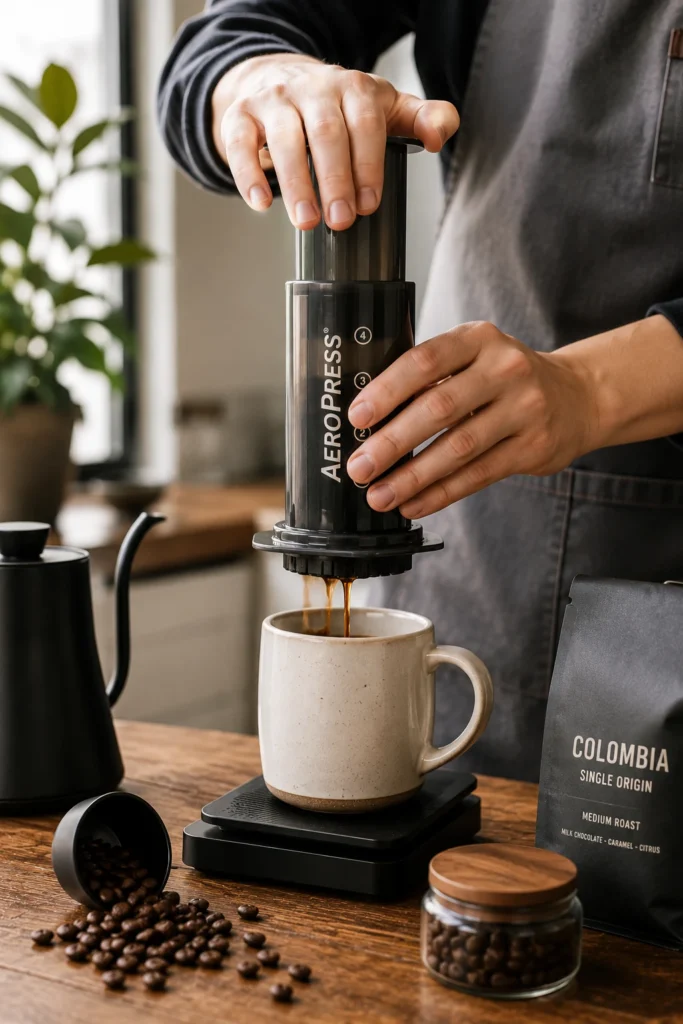
The AeroPress is a modern coffee brewing device that uses air pressure to push water through coffee grounds. Since its introduction, it has gained a loyal following among coffee enthusiasts due to its versatility, portability, and ease of use. The compact design makes it especially popular among travelers and outdoor adventurers.
Unlike many brewing methods, the AeroPress allows users to experiment with different recipes, brewing times, and grind sizes. This flexibility enables a wide range of flavor profiles, from espresso-like concentrates to smooth filter-style coffee. Its adaptability has made it a favorite in coffee competitions worldwide.
Flavor Profile
AeroPress coffee is known for its balanced flavor and smooth finish. It produces coffee with low bitterness while maintaining excellent sweetness and body. The short brewing time minimizes over-extraction, resulting in a clean and pleasant cup.
Because users can customize the brewing process, the AeroPress can highlight different characteristics depending on the chosen recipe. It works well with both light and medium roasts, making it one of the most versatile coffee brewing methods available today.
Advantages of AeroPress Coffee
One of the greatest strengths of the AeroPress is its portability. Its lightweight design makes it easy to carry during travel, camping trips, or office commutes. Despite its compact size, it consistently produces high-quality coffee that rivals larger brewing systems.
Another advantage is speed. Most AeroPress recipes require less than two minutes from start to finish. This combination of convenience, flavor quality, and versatility makes it an excellent choice for coffee lovers seeking a quick and reliable brewing method.
4. Espresso
What Is Espresso?
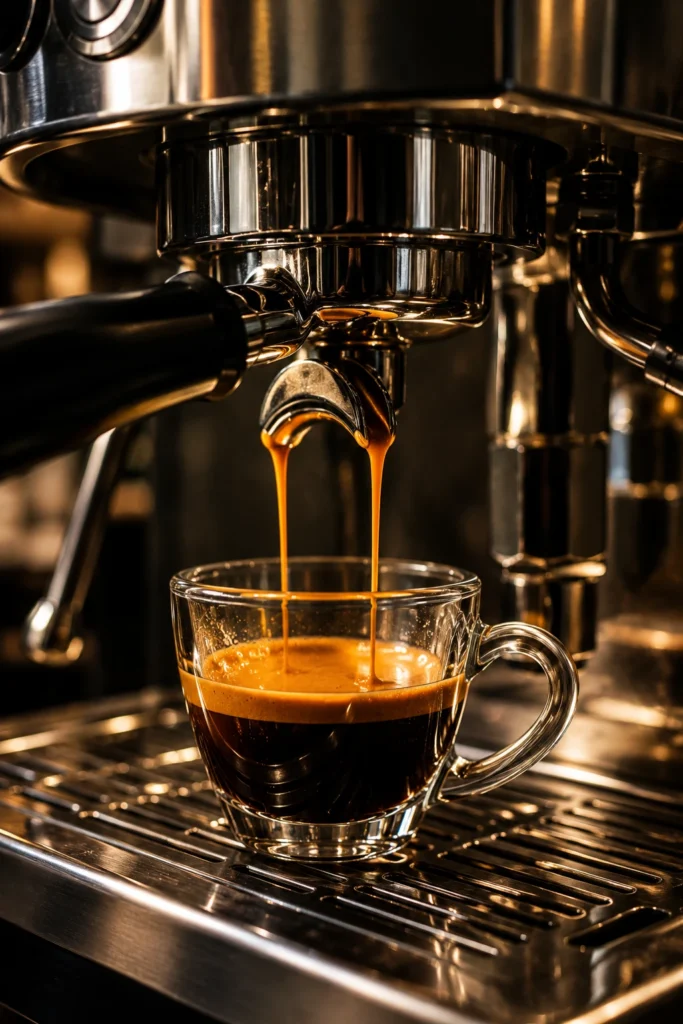
Espresso is a concentrated coffee beverage created by forcing hot water through finely ground coffee under high pressure. This brewing method produces a small but intensely flavored shot topped with a golden layer of crema. Espresso serves as the foundation for many popular coffee drinks, including cappuccinos, lattes, and macchiatos.
Professional espresso machines are designed to maintain precise pressure and temperature throughout the extraction process. Although mastering espresso requires practice and specialized equipment, the results can be exceptional. Many coffee enthusiasts consider espresso the ultimate expression of coffee flavor.
Flavor Profile
Espresso delivers a powerful flavor experience with remarkable intensity and complexity. The concentrated extraction creates a rich body, deep sweetness, and balanced bitterness. High-quality espresso often reveals layers of chocolate, caramel, fruit, and nutty flavors.
The signature crema contributes to both texture and aroma. This thin layer of emulsified oils traps aromatic compounds, enhancing the sensory experience. When properly extracted, espresso achieves a harmonious balance that showcases the full potential of the coffee beans.
Advantages of Espresso
Espresso offers unmatched flavor concentration and versatility. It can be enjoyed on its own or used as the base for numerous specialty coffee beverages. The ability to create café-style drinks at home is a major reason many coffee lovers invest in espresso equipment.
Another advantage is efficiency. A single espresso shot contains a concentrated dose of coffee flavor in a small serving size. This intensity appeals to those who appreciate bold and powerful coffee experiences without consuming large volumes of liquid.
5. Cold Brew Coffee
What Is Cold Brew?
Cold brew coffee is prepared by steeping coffee grounds in cold or room-temperature water for an extended period, usually between twelve and twenty-four hours. Unlike traditional brewing methods that rely on heat, cold brew extracts flavor slowly, resulting in a smoother and less acidic beverage.
The brewing process typically produces a concentrated coffee that can be diluted with water, milk, or ice before serving. Cold brew has become increasingly popular due to its refreshing taste and versatility, especially during warmer months.

Flavor Profile
Cold brew coffee is famous for its smooth texture and naturally sweet flavor. The slow extraction process reduces the release of acidic compounds, creating a mellow and approachable cup. Many people who find traditional coffee too acidic prefer cold brew for its gentler profile.
The flavor often features notes of chocolate, caramel, and nuts while minimizing bitterness. This balanced taste makes cold brew enjoyable both black and with milk-based additions. Its refreshing nature has contributed to its growing popularity worldwide.
Advantages of Cold Brew Coffee
One of the main benefits of cold brew is its low acidity. This characteristic makes it easier on the stomach for some coffee drinkers. The smooth flavor profile also appeals to individuals who dislike the sharpness associated with certain hot brewing methods.
Cold brew is highly convenient because large batches can be prepared in advance and stored in the refrigerator for several days. This allows coffee lovers to enjoy ready-to-drink coffee whenever they want without daily brewing.
Final Thoughts
Exploring different coffee brewing methods is one of the best ways to improve your coffee experience. Each technique offers unique flavor characteristics, from the bright clarity of pour-over coffee to the bold richness of French press and the smooth sweetness of cold brew. Understanding these differences helps you select the method that best matches your personal taste preferences.
The quality of your coffee depends on more than just the beans you choose. Brewing method, grind size, water quality, and extraction time all play essential roles in creating a delicious cup. By experimenting with these five brewing techniques, you can discover new flavors, develop your coffee knowledge, and enjoy café-quality coffee from the comfort of your home.
Whether you are a beginner or a dedicated coffee enthusiast, investing time in learning proper brewing methods will reward you with better flavor, richer aromas, and a more enjoyable coffee journey every single day.