5 Ways to Elevate Your Body care Routine for Silky Nourished Skin
Introduction: Why Your Body care Routine Deserves More Attention
When we think about skincare, most of the attention goes straight to the face. Serums, toners, masks, and moisturizers dominate our routines, while bodycare is often rushed—reduced to a quick shower and a layer of lotion, if that. But your body makes up the majority of your skin, and it deserves just as much care and consistency.
Your skin is your body’s largest organ, acting as a protective barrier against environmental damage, pollutants, and bacteria. When neglected, it can become dry, rough, uneven, and prone to irritation. On the other hand, a well-maintained bodycare routine can transform your skin into something soft, smooth, radiant, and resilient.
The good news? You don’t need a complicated or expensive routine to achieve silky, nourished skin. What matters most is understanding the right steps, using effective ingredients, and staying consistent. Small upgrades—done daily—can lead to dramatic, visible results over time.
This guide will walk you through five essential ways to elevate your bodycare routine, helping you build habits that actually work. Whether your goal is hydration, smooth texture, or that healthy glow, these strategies will help you get there.
1. Start with Proper Cleansing (But Don’t Overdo It)
Cleansing is the first and most fundamental step in any bodycare routine. It removes sweat, dirt, oil, and environmental impurities that accumulate throughout the day. However, many people unknowingly damage their skin during this step by using harsh soaps or excessively hot water.
Traditional bar soaps and heavily fragranced body washes often contain sulfates that strip away your skin’s natural oils. While this might leave your skin feeling squeaky clean, it actually disrupts your skin barrier, leading to dryness, tightness, and irritation. Over time, this can make your skin more sensitive and prone to damage.
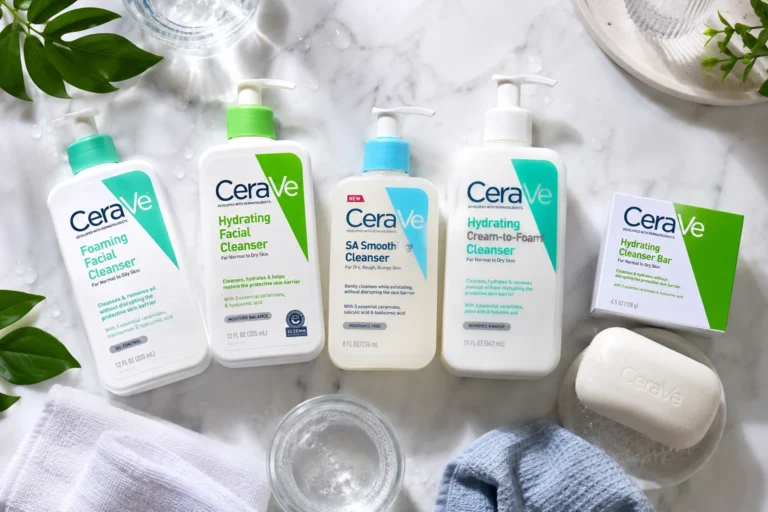
Instead, opt for a gentle, hydrating cleanser that supports your skin barrier. Ingredients like glycerin, aloe vera, and shea butter cleanse effectively while maintaining moisture. These ingredients help your skin stay soft rather than leaving it feeling stripped.
Water temperature also plays a crucial role. Hot showers may feel relaxing, but they can dehydrate your skin by removing essential lipids. Lukewarm water is the ideal balance—it cleanses without damaging your skin.
Additionally, avoid over-cleansing. Showering once a day is typically enough unless you’re sweating heavily. Over-washing can weaken your skin’s natural defenses and lead to dryness.
Using tools like loofahs or washcloths can be helpful, but they should be used gently and cleaned regularly to prevent bacteria buildup.
A mindful cleansing routine sets the tone for everything that follows. When done correctly, it prepares your skin to absorb hydration and nutrients more effectively.

2. Exfoliate Strategically for Smooth Texture
If your skin feels rough, dull, or uneven, exfoliation is likely the missing step in your routine. Exfoliation removes dead skin cells that accumulate on the surface, revealing fresher, smoother skin underneath.
Without exfoliation, dead skin can build up and block your moisturizers from penetrating properly. This often results in skin that still feels dry even after applying lotion. Regular exfoliation ensures that your products work more effectively.
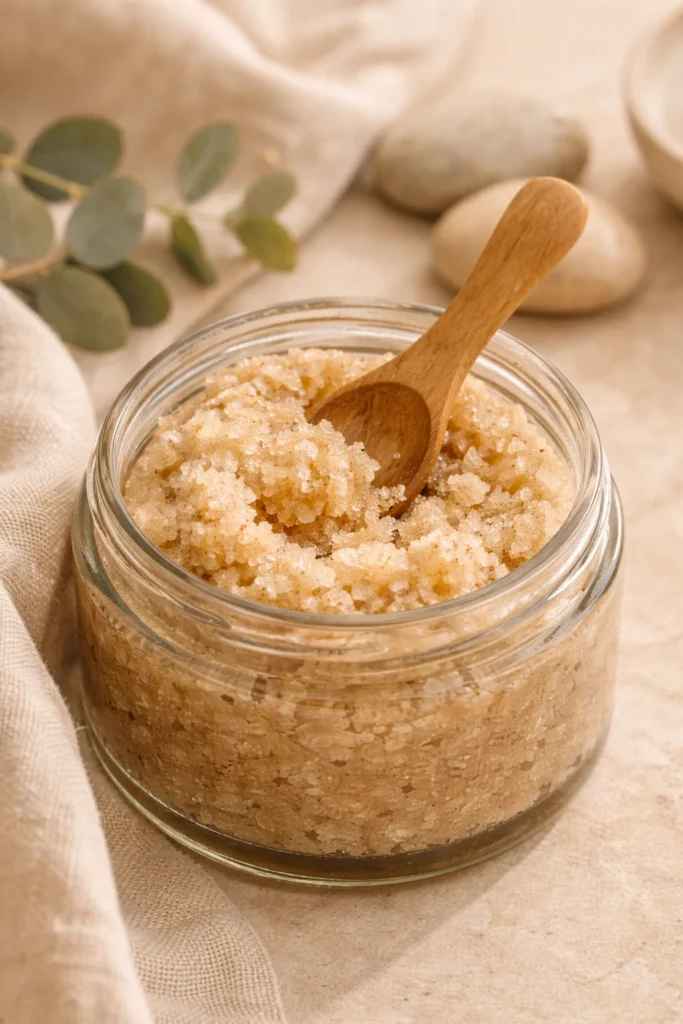
There are two main types of exfoliation: physical and chemical. Physical exfoliation involves scrubs, brushes, or tools that manually remove dead skin. Chemical exfoliation uses ingredients like AHAs (alpha hydroxy acids) and BHAs (beta hydroxy acids) to dissolve dead skin cells.
Both methods can be effective, but the key is moderation. Over-exfoliating can damage your skin barrier, leading to redness, sensitivity, and even breakouts. For most people, exfoliating two to three times per week is ideal.
Focus on areas that tend to be rough, such as elbows, knees, heels, and upper arms. These areas often need extra attention due to thicker skin and frequent friction.
Chemical exfoliants are especially beneficial for issues like ingrown hairs, body acne, and uneven texture. They work deeper within the skin and provide more consistent results over time.
Always follow exfoliation with hydration. After removing dead skin cells, your skin is more receptive to moisture, making this the perfect time to apply nourishing products.
Strategic exfoliation doesn’t just improve texture—it enhances your overall glow and helps your skin look healthier and more refined.
3. Lock in Moisture Immediately After Showering
One of the most overlooked secrets to soft, hydrated skin is timing. Many people wait too long after showering to apply moisturizer, missing the window when their skin is most receptive to hydration.
After a shower, your skin is slightly damp and your pores are more open. This creates the perfect opportunity for moisture absorption. Applying lotion within a few minutes helps trap water in your skin, preventing dryness.
Instead of rubbing your skin dry with a towel, gently pat it so it remains slightly damp. This small change can make a significant difference in how well your products work.
Choosing the right moisturizer is equally important. Lightweight lotions are great for oily or normal skin, while thicker creams and body butters are better suited for dry skin. Look for ingredients like hyaluronic acid, ceramides, and natural oils.
Layering your products can further enhance hydration. Start with a hydrating serum or essence, then apply a moisturizer to seal it in. This method ensures long-lasting softness.
Consistency is key here. Moisturizing once won’t transform your skin overnight, but doing it daily will gradually improve texture and hydration levels.
Neglecting this step often leads to flaky, tight skin—even if you’re using high-quality products. The technique and timing matter just as much as the products themselves.
By locking in moisture immediately after showering, you create a strong foundation for silky, nourished skin that lasts all day.

4. Incorporate Body Oils for Deep Nourishment
If you want to take your bodycare routine to the next level, body oils are a must. Unlike lotions, which primarily hydrate, oils help seal in that hydration and provide deep nourishment.
Body oils create a protective barrier on the skin, preventing moisture loss and leaving your skin feeling soft and supple. They also give your skin a natural, healthy glow that lotions alone often can’t achieve.
There are many types of oils to choose from, each offering unique benefits. Jojoba oil closely mimics your skin’s natural sebum, making it ideal for all skin types. Argan oil is rich in vitamin E and antioxidants, while rosehip oil is known for its brightening and repairing properties.
The best time to apply body oil is after moisturizing. This helps lock in the hydration from your lotion and enhances its effectiveness. Alternatively, you can mix a few drops of oil into your moisturizer for a more lightweight application.
Using body oil at night can be especially beneficial. During sleep, your skin enters repair mode, making it more receptive to nourishment.
Despite common misconceptions, oils are not just for dry skin. Even oily skin can benefit from the right type of oil, as it helps balance natural oil production.
With regular use, body oils can improve skin elasticity, reduce dryness, and give your skin a silky, luxurious feel.
Adding this step transforms your routine from basic to indulgent, creating a spa-like experience at home.

5. Don’t Skip Targeted Treatments
Just like your face, your body can benefit from targeted treatments that address specific concerns. These treatments go beyond basic hydration to improve texture, tone, and overall skin health.
Body serums are becoming increasingly popular for their lightweight yet powerful formulations. They can target issues like dullness, uneven tone, and dehydration.
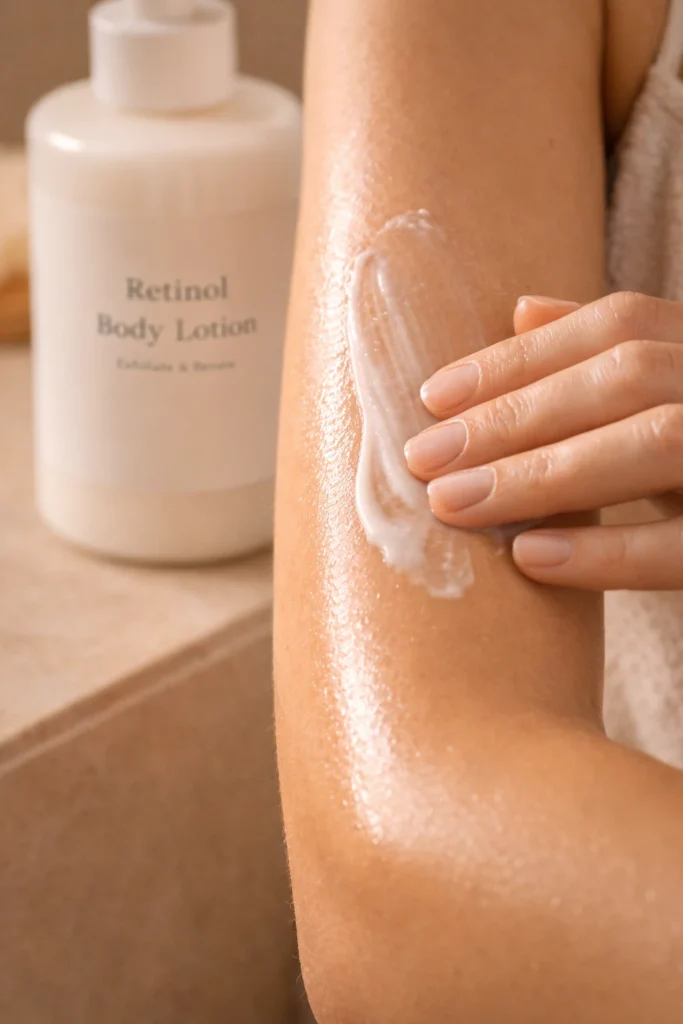
Retinol body lotions are another game-changer. They help boost cell turnover, smooth rough skin, and reduce the appearance of fine lines and bumps.
If you struggle with body acne, look for treatments containing salicylic acid or benzoyl peroxide. These ingredients help clear pores and prevent breakouts.
Sun protection is also crucial. Areas like your arms, neck, and chest are often exposed to the sun and can develop signs of aging and pigmentation. Applying SPF daily helps protect and maintain your skin’s health.
Don’t forget commonly neglected areas such as hands, feet, and the back of your neck. These areas often show signs of aging first and need consistent care.
Targeted treatments allow you to customize your routine based on your skin’s needs, making your bodycare routine more effective and results-driven.
Bonus: Consistency Is the Real Secret
No matter how advanced your routine is, consistency is what truly delivers results. Skincare is not about quick fixes—it’s about building habits that support your skin over time.
A simple routine done daily is far more effective than an elaborate routine done occasionally. Your skin thrives on regular care and predictable patterns.
Create a routine that fits your lifestyle so it’s easy to maintain. Even on busy days, sticking to the basics—cleansing and moisturizing—can make a big difference.
Tracking your progress can also be motivating. Over time, you’ll notice improvements in texture, hydration, and overall appearance.
Remember, healthy skin is a long-term investment. The effort you put in today will reflect in how your skin looks and feels in the future.
Conclusion: Elevate Your Routine Elevate Your Skin
Elevating your bodycare routine doesn’t require drastic changes—it’s about refining what you already do and making smarter choices. By focusing on proper cleansing, strategic exfoliation, timely hydration, nourishing oils, and targeted treatments, you can transform your skin completely.
The journey to silky, nourished skin is built on consistency, care, and attention to detail. When you start treating your body with the same importance as your face, the results become undeniable.
Your skin is with you for life—taking care of it is one of the best investments you can make.